Cookery Classes

I teach Turkish cooking classes in England,Turkey & USA, hope you can join us!,
Find Out More

Recipes    

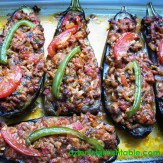
Turkish cuisine provides healthy, hearty, delicious food for family and friends.
Find out more

From Pistachio Lamb Kebabs to Baklava; Our Turkish Feast in Austin, Texas

Greetings from Austin, Texas!

Getting the eggplants for our Turkish cooking class at Central Market - Austin; love the fresh produce there.

Getting the eggplants for our Turkish cooking class at Central Market – Austin; love the fresh produce there.

We had a delightful and full class of Turkish food lovers at my Turkish cooking class at the Central Market Cooking School, Austin, Texas. It was a very special time to reconnect with dear foodies who used to come to my classes there, as well as meeting new Turkish food lovers, I am grateful to be able to return to this wonderful cooking school and their company.

CM Chef Cindy and others kindly helped feed 40 Turkish food lovers at the class

CM Chef Cindy and others kindly helped feed 40 Turkish food lovers at the class

We had 40 -full class!- Turkish food lovers at the class and a small army of CM Chefs; Cindy, Giovanni and Kelly helped us get the our Turkish feast ready.

Talking about dried eggplants; we use them a lot especially in Southern Turkish cuisine

Talking about dried eggplants; we use them a lot especially in Southern Turkish cuisine

Turkish Cuisine is based on seasonality and we use a lot of fresh, seasonal produce. When a vegetable or fruit is not in season (like peppers, aubergines, okra etc) we dry them to use when they are not in season. Here we have been talking about dried eggplants and different recipes to use them in (stuffed dried eggplants are especially delicious).

Talking about Turkish culinary history and regional cuisines in Turkey during our class

Turks were Nomads who used to live a tribal life in Central Asia prior settling in today’s Turkey, and in those days, their diet was based on meat and dairy. Many folks found learning about the Turkish culinary history quite fascinating.

Here I would like to share our menu at my Turkish Cookery Class with Central Market, showcasing flavorful  Southern Turkish Cuisine. All these recipes are designed for you to be able to recreate easily at your home. I hope you can get to try and enjoy them :

Walnut, Olive Oil and Red Pepper Paste  Dip; Cevizli Biber

Cevizli Biber; Walnut and red pepper paste dip with olive oil.

Cevizli Biber; Walnut and red pepper paste dip with olive oil.

This is one of my favorite mezes of all time; it is very easy to make and very, very more-ish, you just can’t stop eating them. It is one of my mother’s recipes from her historic hometown Antakya (Antioch) and whenever I make it, I feel like I am home.

Prerparing the Walnut & Red Pepper Paste dip, Cevizli Biber, for the Class

Prerparing the Walnut & Red Pepper Paste dip, Cevizli Biber, for the Class

Tahini bread or pita bread would go really well with this delicious dip/spread. You can keep the dip covered in the fridge for 3-4 days. Middle Eastern stores or specialty stores usually carry the red pepper paste, so as Turkish online supermarket, Tulumba.com in the US.  If you like to make your own hot red pepper paste, here is my recipe.  Click here for the Walnut and red pepper paste with olive oil dip recipe.

Smoked eggplant salad with garlic yoghurt and mint – Patlicanli Yogurtlama

Smoked eggplant salad with garlic yoghurt and dried mint; Patlicanli Yogurtlama

Smoked eggplant salad with garlic yoghurt and dried mint; Patlicanli Yogurtlama

This is a lovely refreshing smoked eggplant salad again  from southern Turkey, Antakya, this time with garlic yoghurt and mint. It goes very well with grilled meats, or just with some nice crusty bread as an appetizer. This salad or mezze is perfect for hot summer days and can be kept in fridge for a couple of days. Here is the smoked eggplant with garlic and yoghurt recipe.

Lamb Kebabs with Pistachios on Flat Bread in Cherry & Tomato Sauce 

Pistachio lamb kebabs in cherry & tomato sauce; delicious treats for all

Pistachio lamb kebabs in cherry & tomato sauce; delicious treats for all


Making the pistachio lamb  kebabs with CM Chef Giovanni at Central Market Cooking School in Austin

Making the pistachio lamb kebabs with CM Chef Giovanni at Central Market Cooking School in Austin

These pistachio lamb kebabs in cherry and tomato sauce are easy to recreate in your home, delicious and look impressive. Children love them as well as the adults, so they are great for entertaining. Having pistachio nuts in kebabs is a Southern Turkish specialty; I love the rich nutty flavor the pistachios add to the kebabs. They kebabs are wonderful when chargrilled in summer time, but equally delicious grilled or baked in the oven. With flat breads as the base and roasted vegetables by the side, this succulent kebab is a real crowd pleaser, and can make any day special. Here is my recipe for the pistachio lamb kebabs.

Baklava with Pistachios and Walnuts – Fistikli ve Cevizli Baklava 

Home made baklava with walnuts and pistachios

Home made baklava with walnuts and pistachios

An Ottoman legacy, baklava is one of the greatest creations from the pastry chefs at the Topkapi Palace. Generally, baklava is enjoyed as a mid-morning sweet snack with a cup of Turkish coffee, or as a mid-afternoon treat with a glass of tea or after lunch or dinner. There is no bad time for a good piece of baklava! The real thing shouldn’t be very sweet and heavy; on the contrary it should be light enough to tempt you to eat a small plateful. Making baklava at home is surprisingly easier than you think; and I like the fact that you can adjust the sweetness of the syrup to your taste. Here is my baklava recipe, if you’d like to have a go.

Deliciously Frothy Turkish Coffee,Turk Kahvesi – More Than a Drink

Delicious frothy, aromatic Turkish Coffee, Turk Kahvesi

Delicious frothy, aromatic Turkish Coffee, Turk Kahvesi


Making Turkish coffee for 40 participants at the class; we had a small production line!:)

Making Turkish coffee for 40 participants at the class; we had a small production line!:)

Have you ever tried the deliciously frothy Turkish coffee? It is one of the most popular traditional drinks at home in Turkey and I love the whole ritual, the experience of it. In Turkish, we have a saying “Bir fincan kahvenin kirk yil hatiri vardir” which means “The memory of a good cup of  Turkish coffee lasts 40 years”. Turkish coffee is a drink of friendship; you are offered this traditional, aromatic drink wherever you go in Turkey; when visiting friends and family, in the shops, while waiting in the bank, in hairdressers.. We take time to pause and enjoy this special drink with a friend or family or sometimes simply reflect with every precious sip. A glass of water and Turkish Delights by the side complete the Turkish coffee ritual. Here is step by step instructions for how to make Turkish coffee at home.

IMG_1316

As always, it is the people what makes a place special. I was very grateful to have the company of dear friends, Turkish food lovers and enthusiasts at the class. Thank you all for your company and making me feel at home!

IMG_1314

John, Nancy, and Ozlem 8_2_2013

I hope these recipes and photos may inspire to have a go and try these delicious, easy recipes. Let me know if you have any questions, it is always good to hear from you and I would be delighted to help out.

Afiyet Olsun!

Ozlem

Continue Reading

Aubergines stuffed with onion, garlic and tomatoes in olive oil; Imam Bayildi

Imam Bayildi; eggplants, aubergines, stuffed with onions, garlic and tomatoes and poached in olive oil; just melt in the mouth

Imam Bayildi; eggplants, aubergines, stuffed with onions, garlic and tomatoes and poached in olive oil; just melt in the mouth

Patlican, eggplants or aubergines are one of the most popular vegetables (actually fruit, as it has seeds in it) in Turkey; we must have over 200 recipes showcasing our beloved patlican, eggplant. I love this classic Turkish dish, Imam Bayildi or “Imam Fainted”, one of the most popular eggplant dishes at home. Legend says  “Imam Fainted” either due to the shock or the pleasure at the quantity of the olive oil used in this dish! No doubt, eggplant loves olive oil and tastes so good in this Imam Bayildi.

Imam Bayildi; this delicious stuffed eggplants in olive oil is lovely vegetarian course, enjoyed at room temperature or cold

Imam Bayildi; this delicious stuffed eggplants in olive oil is lovely vegetarian course, enjoyed at room temperature or cold

The aubergines are gently poached in this dish with a generous mixture of onions, tomatoes and garlic. This dish is in the category of Vegetables cooked in olive oil, Zeytinyaglis in Turkish cuisine, where the vegetables are poached in olive oil and little water and served either cold or room temperature with a slice of lemon aside. It is delicious and refreshing for hot summer days, just melts in the mouth.

You can prepare Imam Bayildi ahead of time and the left overs can keep in fridge for 2-3 days. I used a little less olive oil here and added dried mint to the filling; the result was a light, utterly delicious and refreshing vegetarian course.

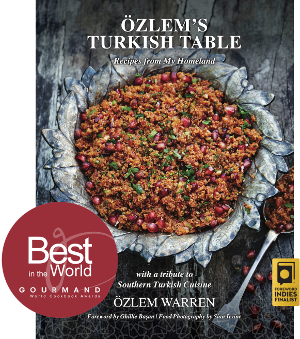
I am passionate about my homeland’s  healthy, delicious Turkish cuisine; over 90 authentic Turkish recipes are included at my cookery book, Ozlem’s Turkish Table, Recipes from My Homeland. Hardback copies are now 20 % off at this link with reduced shipping rates to the US, Canada and Mexico.

Serves 4

2 large (and slim, if possible) eggplants/aubergines

1 large onion, halved and finely sliced

3 tomatoes, finely chopped

3-4 garlic cloves, finely chopped

1 bunch of flat leaf parsley, finely chopped

60ml/4 tablespoons olive oil

Juice of ½ lemon

10ml/2 teaspoon sugar

5ml/1 teaspoon dried mint

Salt and black ground pepper to taste

Light olive oil (or canola oil) to shallow fry the eggplants/aubergines

Extra wedges of lemon to serve


Using a vegetable peeler, peel the aubergines lengthways in zebra stripes.

Using a vegetable peeler, peel the aubergines lengthways in zebra stripes.

Using a vegetable peeler, peel the aubergines length ways in zebra stripes, then cut the eggplants / aubergines in half lengthways. In each half of eggplant, cut a deep split length ways without cutting through to the skin on the opposite side and leaving 1/2″-13 mm- uncut at either end. Sprinkle salt (this will help the moisture come out) over the eggplants and leave for about 10-15 minutes to leach out the moisture and bitter juices of eggplants. After that, thoroughly drain and pat dry the eggplants with paper towel to get rid of this moisture, otherwise they will be soggy.

 Place the sauteed eggplants on a paper towel to absorb excess oil.

Place the sauteed eggplants on a paper towel to absorb excess oil.

Heat about 1cm/1/2in light olive oil or canola oil in a deep sided pan. Place the eggplants in the oil and shallow fry quickly on both sides until they are softened and have a light brown color, for about 3-5 minutes. Place paper towel on a tray and transfer these eggplants there; the paper towel will absorb the excess olive oil.

Dried mint brings a refreshing flavor to the filling of the eggplants.

Dried mint brings a refreshing flavor to the filling of the eggplants.

Now let’s prepare the filling. Stir in the sliced onions and garlic in a bowl, add 2 tablespoons of olive oil, dried mint, salt and ground black pepper to taste. Knead this mixture with your hands for the dried mint and seasoning to blend well (this will also help the onions to soften). Stir in the tomatoes and parsley to the mixture and combine well.

Lift the eggplants to a chopping board and open up the split in the middle to create pockets. Spoon the mixture into these eggplant pockets, packing it in tightly so that all of the filling is used up (if you have any left over filling, I would simply cook them in the same pan next to these eggplant pockets).

Spoon the filling mixture into the eggplant pockets.

Spoon the filling mixture into the eggplant pockets.

Place the stuffed eggplants side by side in a wide, heavy pan. Mix the remaining olive oil with ½ cup water, lemon juice and sugar and pour it over the eggplants.

Cover the pan with a lid and place over a medium heat to get the oil hot and create some steam. Once the cooking liquid is hot, cook the eggplants for about 45-50 minutes. Once cooked, they should be soft and tender, with a little of cooking liquid left in the bottom of the pan.

Leave Imam Bayildi; stuffed eggplants in olive oil to cool and rest in the pan after cooking.

Leave Imam Bayildi; stuffed eggplants in olive oil to cool and rest in the pan after cooking.

Leave the eggplants to cool and rest in the pan for the flavors to settle, then carefully transfer them to a serving dish and spoon the oil from the pan over the eggplants. Serve at room temperature or cold, with a wedge of lemon aside and extra garnish of parsley over them.

Imam Bayildi; eggplants, aubergines, stuffed with onions, garlic and tomatoes and poached in olive oil; just melt in the mouth

Imam Bayildi; eggplants, aubergines, stuffed with onions, garlic and tomatoes and poached in olive oil; a delicious vegetarian course, just melts in the mouth

Afiyet Olsun,

Ozlem

Tips for buying eggplants: Although these days eggplants are available all year around, July, August and September are their prime time.  When buying, choose eggplants with smooth, shiny skin, heavy for their size, and having no blemishes, tan patches, or bruises. Wrinkled, loose skin is an indication of age, and the fruit will be more bitter. Smaller eggplants have fewer seeds, thinner skin, and tend to be sweeter, tenderer and less bitter.

Continue Reading

Baklava 101 from the Masters & Tips to Make the Real Thing at Home

baklava with pistachios, walnuts - even with chocolate!

baklava with pistachios, walnuts – even with chocolate!

Baklava remains as one of the most popular desserts for most of us and we were delighted to have a chance to observe how the real thing is made during our culinary tour in Istanbul, back in April. Our destination was Gulluoglu Baklava in Karakoy, the master of baklava makers since 1800’s.

The irresistable baklava; we will have a go at it during my CM Turkish cooking class

The irresistable baklava; we will have a go at it during my CM Turkish cooking class on 2nd August

What impresses me is the love and passion the Gulluoglu family have for their product and thrive to make each and every baklava an unforgettable experience. “Hear the crack”, says the 6th generation baklava maker Murat, from the Gulluoglu family, as he divides the piece of baklava with his fork while we tour around the production line; “that cracking sound is the sign of freshness, a sign of the finest baklava; a must for us. Good baklava leaves a heavenly taste in your mouth; it shouldn’t be very sweet and heavy; on the contrary it should be light enough to tempt you to eat a small plateful.”

Hundred years of tradition; baklava masters, ustas, perfecting their art.

Hundred years of tradition; baklava masters, ustas, perfecting their art.

Karakoy Gulluoglu runs baklava demonstration sessions at their factory in Karakoy and watching the ustas, masters of baklava in action, is an unforgettable experience. When I say Masters, I mean it; each of the Ustas, Masters, spend 8-10 years at each phase of baklava making to perfect it; rolling the dough; turning the dough into the paper thin sheets of pastry, making the syrup, baking at the right heat..

Clouds of flour worked in baklava dough to make the paper thin sheets of pastry

Clouds of flour worked in baklava dough to make the paper thin sheets of pastry

The very first thing that greets you here is the clouds of flour in the air to make that paper thin sheets of pastry for baklava, all “opened”, stretched by hand with an oklava, rolling pin.

Each sheet of baklava pastry is so thin that you can read the newpaper behind it

Each sheet of baklava pastry is so thin that you can read the newpaper behind it

Once the pastry is paper thin (2mm width), the Ustas, masters, start layering them on a buttered tray. The hand rolled pastry is so thin that you can read the newspaper article behind the pastry sheet.

Paper thin sheets of pastries piled to go on a well buttered tray

Paper thin sheets of pastries piled to go on a well buttered tray

IMG_0725
Emerald colored finest Gaziantep pistachios spread generously on the baklava sheet.

The baklava master layers 20 sheets of pastry ( and sprinkles melted butter on every 4 sheets) then generously spreads finely crushed Gaziantep pistachios – finest and only type used at baklava here-  (or at some cases walnuts) on the 20th layer.

The Usta, master cuts the sheets first horizontally and poured melted butter over them

The Usta, master cuts the sheets first horizontally and poured melted butter over them

Once the next 20 layers of sheets added on top, the master, usta cuts the sheets first horizontally and pours melted butter over them – cutting helps the butter to penetrate every level. He then cuts vertically and splashes another dose of melted butter all around. The baklava is now ready to be baked in the oven at 165 C – 330 F.

We also had a go at baklava with clotted cream and pistachios; kaymakli, fistikli bohca baklava

We also had a go at baklava with clotted cream and pistachios; kaymakli, fistikli  gelin bohcasi

We also had a go at baklava pockets with clotted cream and pistachios; kaymakli, fistikli  gelin bohcasi, another amazing treat.

Having a go at fistikli gelin bohcasi; baklava pockets with thick clotted cream, kaymak, and pistachios

Having a go at fistikli gelin bohcasi; baklava pockets with thick clotted cream, kaymak, and pistachios

While baklava was baked in the oven, the syrup is prepared, consisting of pure cane sugar, lemon juice and water. In Turkey,  there is no honey added in to the baklava syrup.

In the traditional baklava syrup in Turkey, there are pure cane sugar, lemon juice and water – no honey in it-

In the traditional baklava syrup in Turkey, there are pure cane sugar, lemon juice and water – no honey in it-

Once cooked, the hot syrup is poured over the relatively cooler baklava, and then baklava tray goes back to the oven for another 5 minutes or so to soak up the syrup. After this, the baklava is rested at a cool area.

Syrup poured on baklava; now ready to go back to the oven again

 And here is the real thing; wonderful, melt in the mouth delicious baklava. It is so light that you feel like eating ta plateful! I hope you get a chance to try the baklava in Turkey.

Fistikli ve cevizli baklava; baklava with pistachios and walnuts - what a treat

Fistikli ve cevizli baklava; baklava with pistachios and walnuts – what a treat

History of Baklava – Baklava Parade during the Ottomans

There are many theories as to the origin of baklava; but there is one thing for sure, that baklava was perfected at the Topkapi Palace Kitchens during the Ottoman Period and it was the Sultans’ favorite dessert. The importance of baklava at the Palace was not only because it was accepted as the token of wealth and sophistication ( as in the mansion houses) but also because it was a State tradition. The baklava parade that started at the end of the 17th century or at the beginning of the 18th century is example of this tradition.
When soldiers were getting their trimonthly pay from the Sultan, they were offered a big feast and on the 15th day of Ramadan they were treated to baklava. On the 15th day of Ramadan when the Sultan visited Hırka-i Serif (the cloak of Prophet Mohammed kept in Topkapı Palace) as a Caliph , baklava from the palace was sent to the Sultan’s Janissary soldiers. It was one tray of baklava for ten soldiers. The delivery of baklava to the soldiers and carrying the baklava to the barracks had then became an imposing parade.

Round tray baklava, cut in triangular slices

Round tray baklava, cut in triangular slices

Testing the Baklava

Here are some of the tests the masters, ustas at Gulluoglu carries out for a perfect baklava:

Hearing Test 
When you place a fork into a baklava you should hear a rustling sound. This means that the thin layers of dough are really thin and baklava is well cooked. The thinner the layers of dough the better the baklava.
Smelling test
When you lift to your mouth, you must smell the butter and the nut or peanut used as a filling. A good baklava should have fine ingredients.
Tasting test 
You can feel the good baklava in your mouth. Good baklava leaves a heavenly taste in your mouth and does not hurt the stomach.

My home made baklava with walnuts; delicious and easier than you think

My home made baklava with walnuts; delicious and easier than you think

I hope all these inspire you; would you like to have a go at making baklava at home? I make it with filo pastry sheets; it is easier than you think and very satisfying. My version is a little less sweeter and fragrant with a touch of lemon taste, here is the recipe  if you would like to have a go. The real thing shouldn’t be very sweet and heavy; on the contrary it should be light enough to tempt you to eat a small plateful. I think this version achieves that.

Enjoying boreks and baklavas in Gulluoglu Karakoy, Istanbul

Enjoying boreks and baklavas in Gulluoglu Karakoy, Istanbul

I will be demonstrating how to make baklava at my next Turkish Cookery class, at Central Market Cooking School, Austin – Texas on 2nd August.

The Blue Mosque, Sultanahmet Camii, Istanbul

9th July marks the start of the holy month of Ramadan this year; best wishes to all observing Ramadan; Ramazaniniz Mubarek Olsun. Baklava is one of the traditional desserts enjoyed during Ramadan, I hope you enjoy this special treat and have a chance to make it at home.

Continue Reading