Recipes    

Turkish cuisine provides healthy, hearty, delicious food for family and friends.
Find out more

Cookery Classes

I teach Turkish cooking classes in England,Turkey & USA, hope you can join us!,
Find Out More

Regional Signature Dishes; Mains, Sides and Desserts

Ancient, Wholesome; Bulgur Pilaf with Freekeh, Eggplant and Meat

Firik or Freekeh is a super food and an ancient grain; I absolutely love its delicious, nutty taste, similar to pearl barley. Freekeh used to feature a lot at my grandmother’s table in Antakya, ancient Antioch, when I was a child. Cooked with bulgur and fresh butter, it always tasted so heavenly and the mesmerizing smells always greeted us. Freekeh is a real treat by itself and pairs with bulgur, vegetables, chickpeas and meat beautifully.
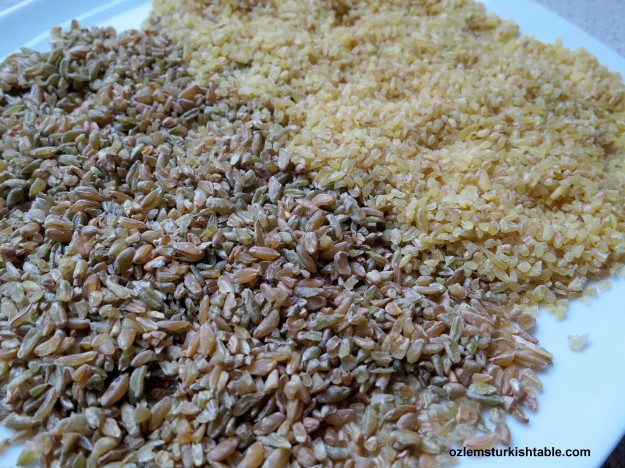
Ancient firik or freekeh; a delicious and healthy grain, pairs with bulgur and vegetables so well.

Ancient firik or freekeh; a delicious and healthy grain, pairs with bulgur and vegetables so well.

Firik, (as in Turkish) or Freekeh (sometimes spelled frikeh)  or farik is a cereal  food made from green drum wheat that goes through a roasting process in its production.  Firik is a popular and ancient grain used Middle Eastern & Southern Turkish cuisine and also popular in Levantine, Egyptian, Arabian Peninsula and North African cuisine. The wheat is harvested while the grains are yellow and the seeds are still soft; it is then piled and sun-dried. The piles are then carefully set on fire so only the straw and chaff burn and not the seeds. It is the high moisture content of the seeds that prevents them from burning. The now roasted wheat undergoes further thrashing and sun-drying to make the flavor, texture, and color uniform. It is this thrashing or rubbing process of the grains that gives this food its name, farīk or “rubbed.” The seeds are now cracked into smaller pieces so they look like a green bulgur.
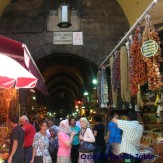
Antakya - Antioch's ancient Long Market - Uzun Carsi, with abundance of grains, spices and more

Antakya – Antioch’s ancient Long Market – Uzun Carsi, with abundance of grains, spices and more

This delicious, ancient grain freekeh is a similar food made from barley and it is also mentioned in the Bible. Freekeh is also considered as a superfood, as in the category of the healthy grains such as quinoa and farro. Freekeh has at least four times as much fiber  as some other comparable grains, consisting mostly of insoluble fiber. It also has a low glycemic index so is suitable for managing diabetes. You can get freekeh in Middle Eastern or specialty food stores abroad, though it is widely available in Turkey. Bulgur is now widely available in supermarkets, so great to see.
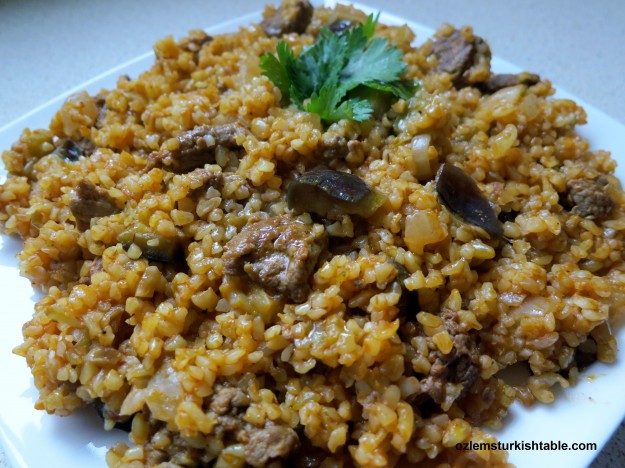
Freekeh with bulgur, eggplants and meat - Firikli Bulgur Pilavi; a delicious & healthy meal.

Freekeh with bulgur, eggplants and meat – Firikli Bulgur Pilavi; a delicious & healthy meal.

I cooked my firik, freekeh here with bulgur, onions, eggplants (aubergine) and chunks of meat. The delicious nutty texture of the grains worked so well with the vegetables. Addition of any meat of your choice is lovely though just with the grains and vegetables itself, this meal would be a delicious vegetarian feast. Chickpeas would go well in this dish too. Turkish hot pepper paste, biber salcasi, gives a wonderful, rich flavor to this dish; you can make your own red pepper paste too, here is my recipe  if you like to make your own. You can also add some heat and flavor with the Turkish red pepper flakes, pul biber.
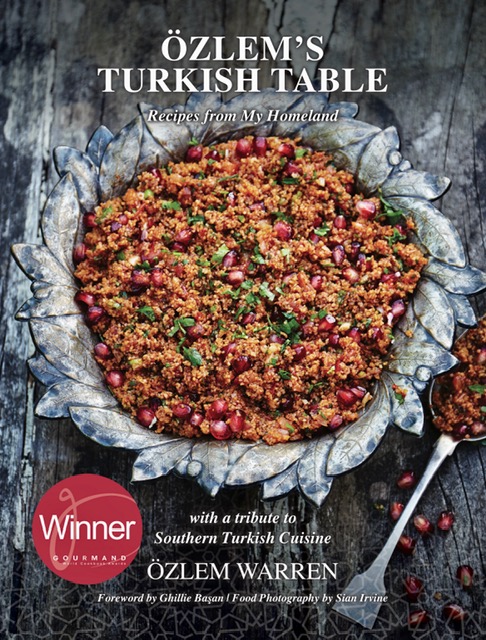
This recipe and many more authentic, wholesome, delicious Turkish recipes are included at my cookery book, Ozlem’s Turkish TableSigned copies (now 10 % off) as well as ebook options are available at this link, hardback signed copies are delivered worldwide.

Serves 6

Preparation time: 25 minutes                  Cooking time: 30 -35 minutes

350gr/12oz/2 cups coarse bulgur, rinsed and drained

225gr/8oz/ generous 1 cup firik or freekeh, rinsed and drained

1 large eggplant (aubergine), diced

2 medium onions, finely diced

450gr/ 1 lb. small chunks of beef, chicken or lamb (optional)

15 ml/ 1 tbsp. Turkish red pepper paste (biber salcasi)

15 ml/1 tbsp. tomato puree

60ml/2 fl. oz./ ¼ cup olive oil

2 pints/ 5 cups hot water

Salt and ground black pepper to taste


Red pepper flakes, pul biber to serve

Cacik dip of diced cucumbers, plain yoghurt and dried mint  to serve
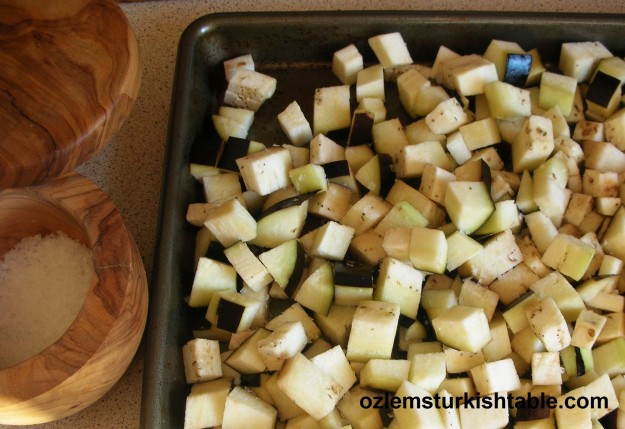
Layer the eggplant pieces on a tray and sprinkle salt over them, leave them aside for 15 minutes (salt will help the moisture and bitter juices come out of the eggplant).

Layer the eggplant pieces on a tray and sprinkle salt over them (salt will help the moisture and bitter juices come out of the eggplant).

First prepare the eggplants (aubergines). Peel the eggplants lengthways in stripes using a vegetable peeler or a small sharp knife. Cut the eggplant in quarters and then slice into bite size pieces. Layer the eggplant pieces on a tray and sprinkle salt over them, leave them aside for 15 minutes (salt will help the moisture and bitter juices come out of the eggplant). After 15 minutes, dry the eggplants with kitchen or paper towel thoroughly.

Heat the 2 tbsp. olive oil in a heavy pan and sauté the onions until soft and they begin to color. Add the pieces of meat, stir and cook for another 1-2 minutes. Toss in the diced eggplants and the remaining 2 tbsp. olive oil. Stir and sauté over medium heat for 3-4 minutes, until they start to color and soften. Then stir in the red pepper paste and tomato paste and combine well with the vegetables and the meat. Season with salt and ground black pepper.
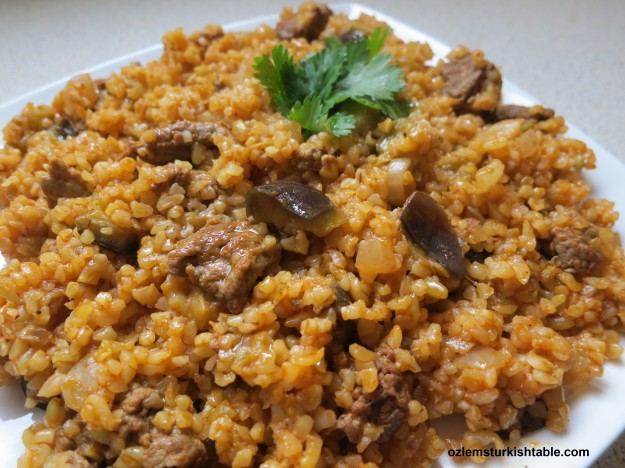
Bulgur pilaf with freekeh, eggplants and meat; firikli bulgur pilavi

Bulgur pilaf with freekeh, eggplants and meat; firikli bulgur pilavi

 Now add the bulgur and freekeh to the pan and mix well. Pour in the hot water, stir and bring it to the boil. Cover, reduce the heat and simmer on low to medium heat for about 20 minutes or until all the water has been absorbed. Turn off the heat, cover the pan with a clean kitchen towel and place the lid on firmly. Rest the pilaf for 5-10 minutes before serving.
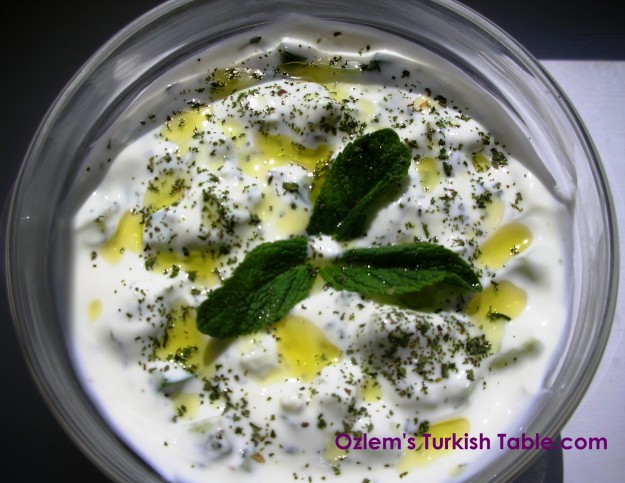
Cacik dip with yoghurt, cucumber and dried mint; delicious and refreshing

Cacik dip with yoghurt, cucumber and dried mint; delicious and refreshing

Serve the bulgur and frekeeh pilaf hot with Turkish red pepper flakes, pul biber sprinkled over, if you like. Refreshing Cacik Dip of diced cucumbers and dried mint with yoghurt complements this bulgur & freekeh pilaf very well.
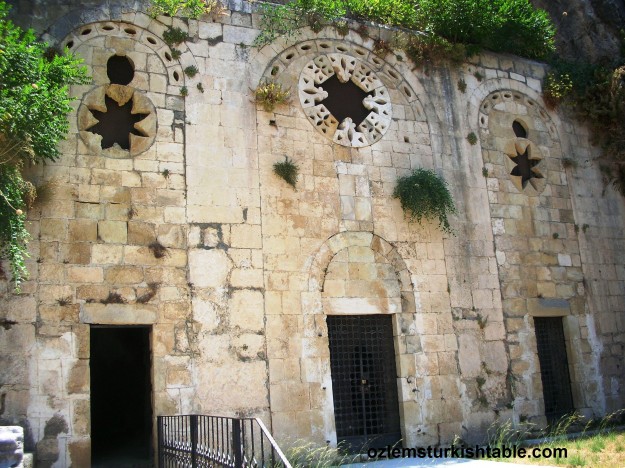
Ancient St Peter's Church, Antakya, Antioch where early Christians congregated.

Ancient St Peter’s Church, Antakya, Antioch where early Christians congregated.

I hope you enjoy this delicious, ancient food, packed with goodness; Afiyet Olsun,

Ozlem
Continue Reading

Homemade Oruk, version of Kibbeh or Baked Icli Kofte, from Antakya

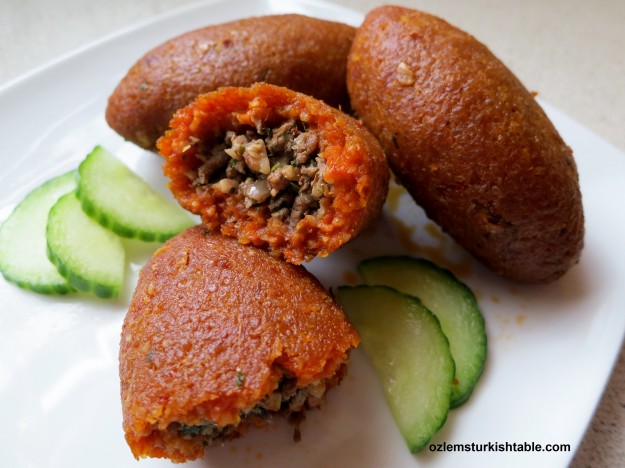
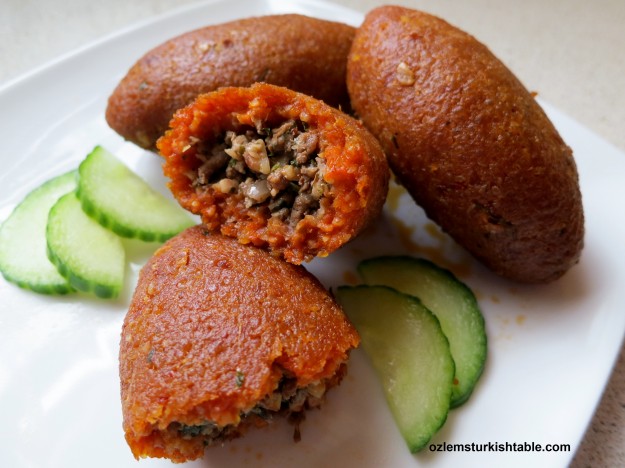
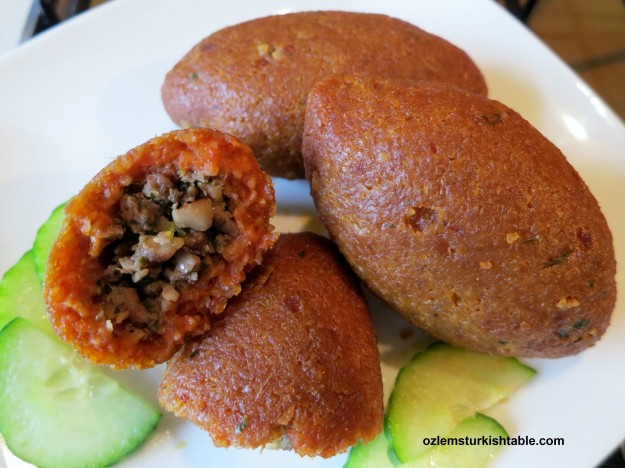
Oruk, baked icli kofte, a version of kibbeh; these bulgur balls with walnut and ground meat stuffing are a real treat.

Oruk, baked icli kofte, a version of kibbeh; these bulgur balls with walnut and ground meat stuffing are a real treat.

Oruk, or (Sam Orugu as they are also referred) the baked oval bulgur balls with delicious ground meat and walnuts filling, is a very popular dish at my hometown, Antakya (Antioch). It is a very special dish that turns up at my mother’s table at every festive event and family gatherings.

Antakya’s Oruk is a version of the delicious Kibbeh, which is considered to be the national dish of Lebanon. A very popular dish, kibbeh has variations in the Middle East, Cyprus (where it is called koupes) and Turkey.  I suppose the difference between them is the spices & some ingredients used (for instance, there is allspice and pine nuts in Kibbeh), as well as the cooking method (Oruk is baked whereas Kibbeh is generally fried). There is also the Turkish Icli Kofte; this one is similar to Oruk, but rather than being baked, icli kofte is first boiled in water then sautéed in oil. If you have made any of these, I would love to hear your experience and perhaps stories behind them.

Whenever we go back to Turkey, oruk welcomes us at the first night of our visit, along with mother’s other specialty dishes like Mevlubi; the layers of rice with eggplants, meat, onion or potatoes, Cevizli Biber; walnut & red pepper paste dip or this delicious yoghurt based soup with bulgur balls in it. Surrounded by this special food and the company, we always know that we are back home.

Oruk or baked icli kofte, a version of kibbeh

Antakya’s Oruk or baked icli kofte, a version of kibbeh

I have been getting requests from readers on how to make oruk or baked icli kofte. Making oruk is a grand event at home; I grew up watching my grandmother and mother making this special treat with family and friends gathered around a big table in Antakya. Some would make the filling, some to prepare the bulgur dough and some to do the stuffing. Since there were no food processors around in those days, they would ground the meat and bulgur with hand held machines. There were lots of kneading and mixing involved and since they would make vast amounts to share and it would almost take a day for this feast to get ready. A lot of effort, but well worth it.

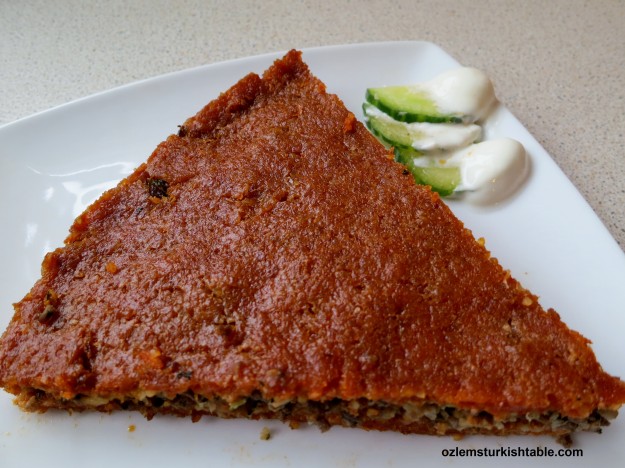
Taray baked Sini Orugu is easier to make and equally delicious.

Tray baked Sini Orugu is easier to make and equally delicious.

A few tips here to ease the process. I suggest you to prepare the filling a day in advance, if you have a limited time. The filling anyway needs to be cool and this really helps with spreading the work. A few readers emailed to say that their bulgur dough couldn’t stay intact. Semolina is the key here; it works great as the binding agent in the bulgur dough. You also need to have water aside and continuously wet your hands while shaping the dough. Ground meat that goes in the bulgur dough needs to be extra lean and double ground (you may ask your butcher to do this for you or you can pulse the ground meat in your food processor a few times). You may also prepare the easier Sini Oruk; tray baked bulgur spread with ground meat and stuffing in the middle. They are both very special treats at the end, quite a sacred food for me and worth all the effort.

If you are an oruk, icli kofte or kibbeh fan, I hope you would give it a go and make these delicious treats at home.  My cookery book Ozlem’s Turkish Table, Recipes from My Homeland has a special focus on southern Turkish cuisine and many regional dishes including this Oruk is included in my book. Signed copies available at this link and now 25 % Off for a limited time and delivered worldwide including USA.

Serves 12 -14 generously

For the filling:

250gr/9oz ground beef (medium fat)

100gr/4oz shelled walnuts, finely crushed to small pieces (but not ground, needs to have a bite to it)

3 medium onions finely grated

1 bunch flat leaf parsley, finely chopped

30ml/2tbsp. olive oil

10ml/2tsp. ground black pepper

10ml/2tsp. red pepper flakes/ pul biber

Salt to taste (at least 2 tsp. recommended)

For the bulgur dough:

450gr/1lb. fine bulgur, koftelik bulgur (if you can only get coarse bulgur, you can pulse it a few times in food processor)

12fl.oz/ 1 ½ cup warm water to wet the bulgur and another 1 cup warm water to knead bulgur

167gr/ 1 cup semolina

4 fl.oz./½ cup warm water for semolina

250gr/9oz extra lean (double) ground beef

60ml/4 tbsp. Turkish hot pepper paste, biber salcasi

15ml/3tsp. ground cumin

10ml/2tsp. red pepper flakes/ pul biber

Salt to taste (bear in mind that the pepper paste is quite salty too)

Bowl of cold water for shaping the oval balls

Grease a small baking tray for the oval balls and a 32cm/12” round baking dish (or equivalent size) for tray bake oruk

Preheat the oven to 160 C/320F/Gas Mark 3

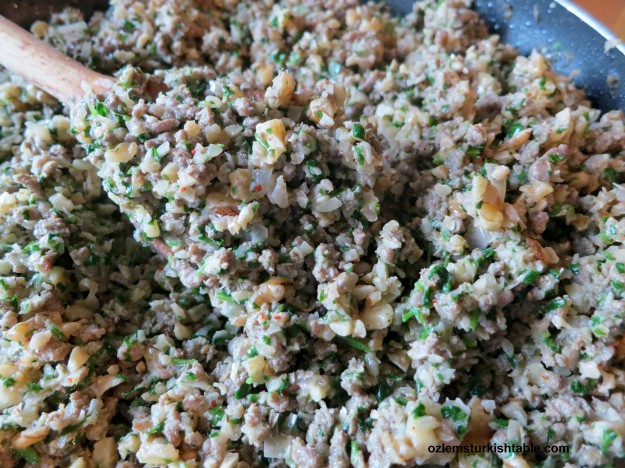
Oruk, icli kofte filling with ground meat, onions, walnut and spices.

Oruk, icli kofte filling with ground meat, onions, walnut and spices.

First make the filling, as it needs to cool down (to save time & spread the work, you can also prepare the filling a day in advance and keep in the fridge, covered). Heat the oil in a heavy pan and stir in the medium fat ground beef. Sauté and stir the meat, breaking the lumps into smaller pieces, over medium heat for about 8-10 minutes, until all the juice evaporated. Add the grated onion, salt, ground black pepper and red pepper flakes and sauté for another 5–8 minutes until onions softened and begin to color. Then add the finely crushed walnuts and the chopped parsley, mix well and turn the heat off. Leave aside to cool down (This really is a delicious filling, we couldn’t help having a few tea spoonfuls, it would also make a great pasta sauce).

Now, let’s make the bulgur dough. Place the fine bulgur in a large mixing bowl (big enough for you to be able to knead). Stir in the red pepper paste, cumin, salt and red pepper flakes and using your hands, mix them all well. Then slowly pour the 1 ½ cup warm water all over it.  Again using your hands, give the bulgur mixture a good mix and make sure all bulgur is wet. Let it rest and absorb the water for 10 minutes. In the meantime, place the semolina in a separate bowl and stir in the ½ cup warm water over it. Using your hands, knead and turn the semolina mixture into a soft dough. Semolina is important here as it helps binding the bulgur dough.

Have the ½ cup warm water bowl next to you and start kneading the bulgur mixture for about 5 minutes. Wet your hands continuously while kneading. Stir in the semolina dough into this bulgur mixture and wetting your hands, knead for another 5 minutes, you will see that the dough is getting more elastic and binding together.  Add the double ground extra lean beef to the mixture (you can use your food processor for the meat) and again with wetting your hands, knead for 10 minutes, until you get a smooth, elastic dough.

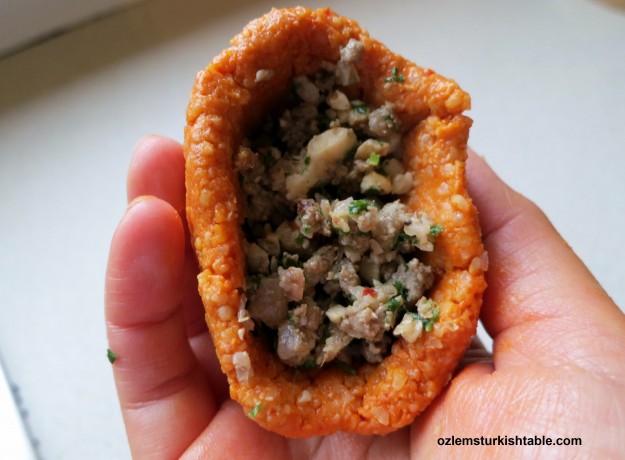
Spoon the filling into the bulgur shell

Spoon the filling into the bulgur shell

Now, have a bowl of cold water aside to shape the oval bulgur balls; to avoid sticking bulgur dough into your hands and for the balls to stay intact. Wet your hands with the cold water and take a small tangerine size bulgur dough into your palm. Roll it into an oval shape and then using your thumb, hollow out an opening in the middle.  Shape the ball into a thin-walled (about ¼”-thick) oval with an opening at one end by molding ball around finger, gradually tapering closed end. Mend any cracks in the shell with a moistened finger. Fill the bulgur shell with about 1½ tbsp. of the filling.

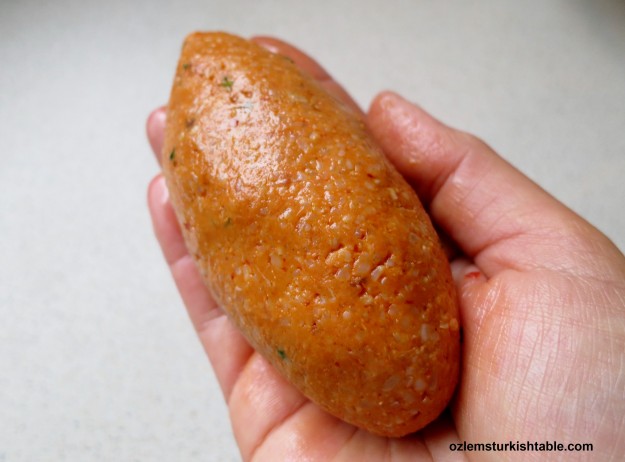
Pinch the edges of the bulgur ball to seal

Pinch the edges of the bulgur ball to seal and roll into an oval shape.

Moisten edges of opening, then pinch the edges of the ball to seal. Wet your hands and gently form the stuffed bulgur ball into the shape of an oval with slightly pointy edges. Place it on an oiled tray. Repeat the same shaping with remaining filling and bulgur dough. (I made 5 oruk, oval stuffed bulgur balls and a baked sini oruk, in  32cm / about 12” round baking dish. Alternatively,  you can make about 18 oval oruk balls if you like). Place all the finished oval bulgur balls in a well-oiled baking tray and coat them all with olive oil.

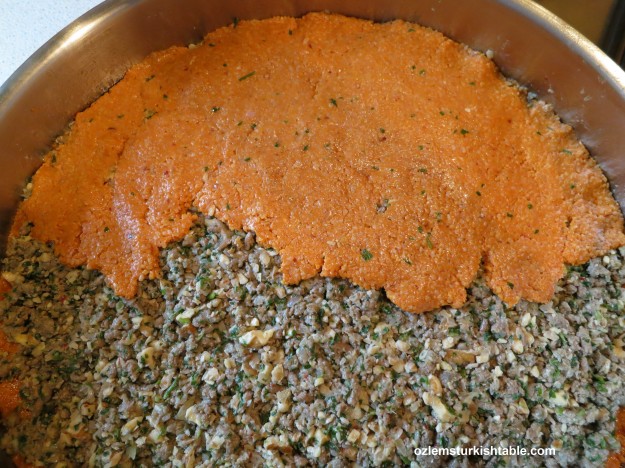
Sini Oruk is another type of baked icli kofte and this tray baked version is much easier. To make it, divide the remaining your bulgur dough into two. Grease a (preferably) round baking dish of 32” diameter with 2 tbsp. olive oil. Wetting your hands with cold water, spread a thin layer of half of the bulgur dough onto the oiled baking dish. Make sure the spread stays intact; wet your hands and seal any broken parts. Spread the ground meat and walnut filling evenly over the bulgur dough spread, press gently.


Place the stretched bulgur dough onto the filling over the round baking dish and bind all together.

Place the stretched bulgur dough onto the filling over the round baking dish and bind all together.

Grease a chopping board or a work surface with 1 tbsp. olive oil. Take a handful of the remaining bulgur dough and spread with your hands to form a thin layer (about 1/3cm). Place this stretched bulgur dough onto the filling over the round baking dish. Continue until you finish the dough and the top layer is covered, like a patchwork. Wet your hands and bind all the loose ends. (We need to prepare the top layer on another oiled surface so that we won’t press too hard over the filling and break it into parts.). Oil the top layer of the bulgur spread, with about 2 tbsp. olive oil and cut into diamond or triangle shaped slices.

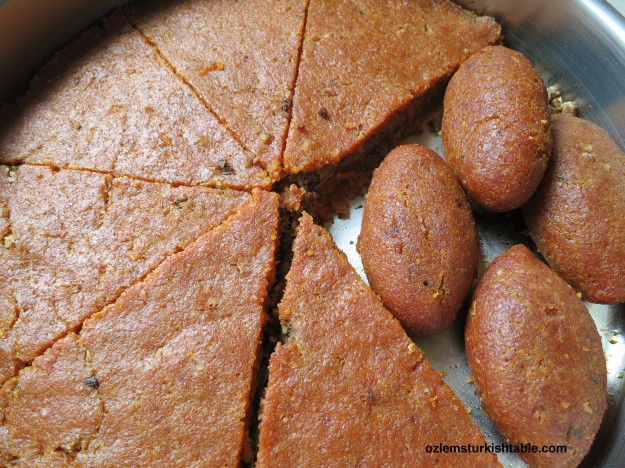
Oruk, baked icli kofte and tray baked sini oruk; both equally delicious

Oruk, baked icli kofte and tray baked sini oruk; both equally delicious

Bake both the oval shaped oruk and the tray bake sini oruk in the preheated oven for about 35-40 minutes, until crispy and golden brown at top. Bulgur absorbs olive oil quickly, so coat both oval bulgur balls and the tray bake with extra olive oil towards the end, so they won’t crack.

You can serve the Sam oruk, oval bulgur balls warm. For the tray bake sini oruk, it is best to wait for about 10-15 minutes to cool down so that they won’t break apart. Cooling and refreshing Cacik dip of yoghurt with cucumber and dried mint complements this delicious treat very well.

Delicious, crispy oruk with ground meat and walnuts filling

Delicious, crispy oruk with ground meat and walnuts filling

Afiyet Olsun,

Ozlem

A visual feast of Antakya (Antioch) 

I wanted to finish this oruk, baked icli kofte post with a visual feast of  Antakya, Ancient Antioch, a cradle of many civilizations; a hope you can make it to my homeland sometime.

Continue Reading

Aromatic Zahtar & Feta Cheese in Puff Pastry; Inspirations from Antakya

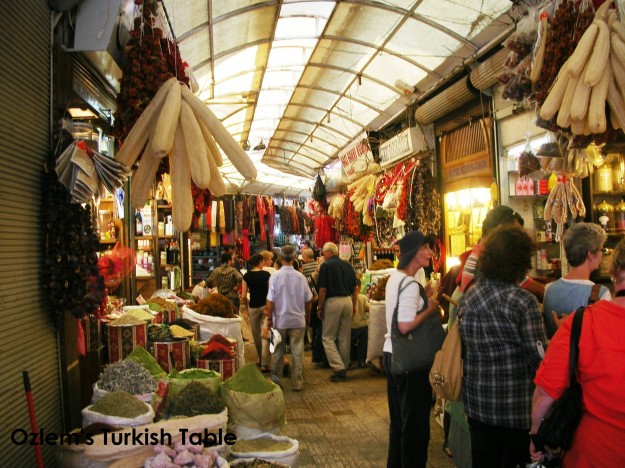
Antakya's 2,000 years old Long Market, Uzun Carsi; home to aromatic spices, copperware and endless food stalls.

Antakya’s 2,000 years old Long Market, Uzun Carsi; home to aromatic spices, copper ware and endless food stalls.

I got wildly excited when I spotted the Zatar (or Zahtar, Za’atar, Zatar or Dukkah) spice blend at my local Waitrose the other day. I grew up with this rich, pungent spice blend in Antakya, Antioch. Fresh Zahter or Zahtar is a popular herb grown in southern part of Turkey, especially around Kilis and Antakya in spring.  Fresh zahter looks more like summer savory, or a crossing of marjoram, oregano and thyme. This herb is wonderful on salads like this Zeytin Ufeleme, Olive salad with pomegranate molasses and zahtar.

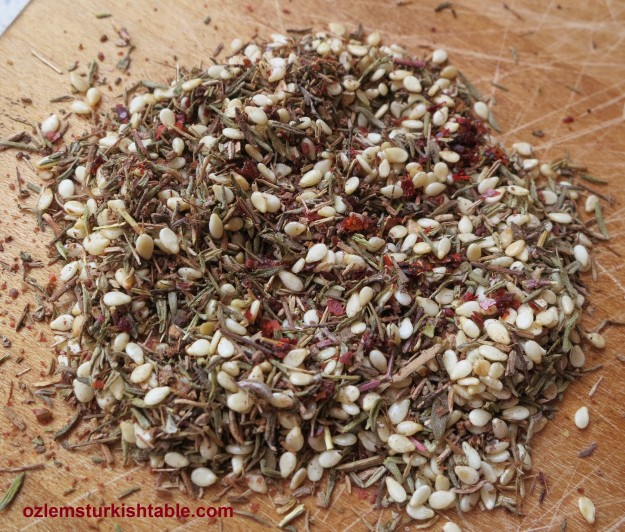
Pungent, tangy zahtar or za'atar blend.

Pungent, tangy zahtar or za’atar blend; adds a lot of flavor  salads, dips and marinations.

Za’atar is also the name given to the exotic blend of herbs, spices and nuts, widely used in Southern Turkish as well as Middle Eastern cooking. At my home town, Antakya, zahtar blend is a rich mixture of dried zahter, sesame seeds, crushed cooked chickpeas, cumin, nigella seeds, sea salt, sumac and many more. It has a lovely, pungent, nutty taste and flavors salads, meat, and vegetables beautifully. In Antakya, locals simply dip their bread to a bowl of olive oil than to this zahtar blend for a delicious breakfast.

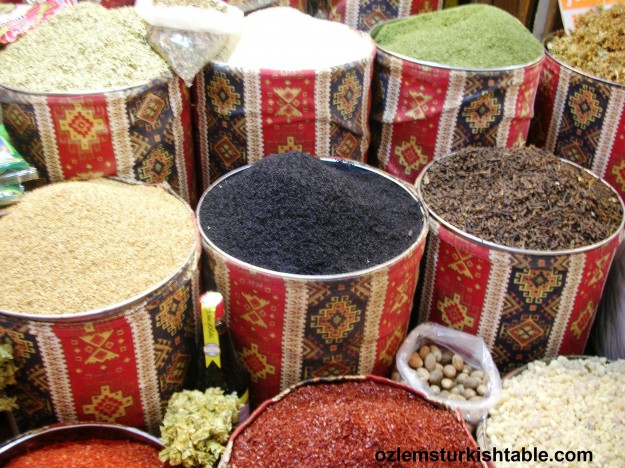
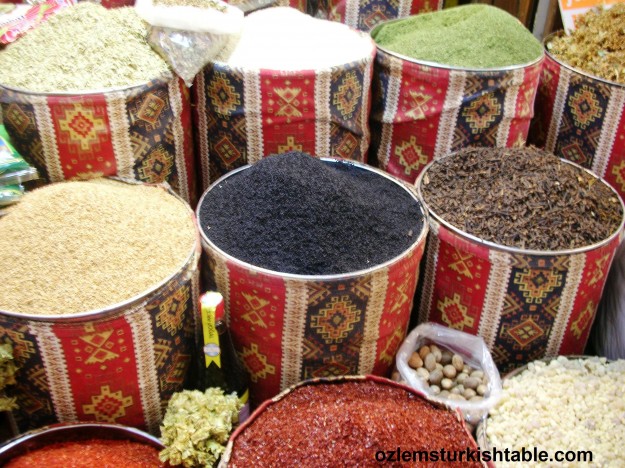
Spices galore at Uzun Carsi, Long Market - Antakya

Spices galore at Uzun Carsi, Long Market – Antakya

Home made Zahtar Blend:

The exotic Zahtar blend varies region to region. According to my mother, “There are 40 different herbs, spices and nuts in the zahtar mixture.” Maybe not all the 40, but here is my mother’s home made zahtar blend that covers the basic zahtar mixture that I grew up with. It is deliciously tangy, nutty and herby. This aromatic blend adds a lot of flavor when marinating meat, fish, poultry and vegetables. Zahtar blend is also wonderful in savory pastries and bread, as well as in dips:

1 tbsp. wild oregano or marjoram (or regular oregano, if the wild version not available)

1 tbsp. ground, cooked chickpeas

1 tbsp. sesame seeds

1 tbsp. ground sumac

½ tbsp. thyme

2 tsp. ground cumin

2 tsp. ground pistachio

1 tsp. salt (please adjust to your taste)

1 tsp. ground black pepper

Combine all the ingredients and mix well; I love the different textures and aroma you get in the zahtar blend. Store za’atar or zahtar in a cool, dark place in a plastic zip bag or in an airtight container. When stored properly, za’atar can be used for a good couple of months.

 Pungent Zahtar with Feta Cheese in Puff Pastry:

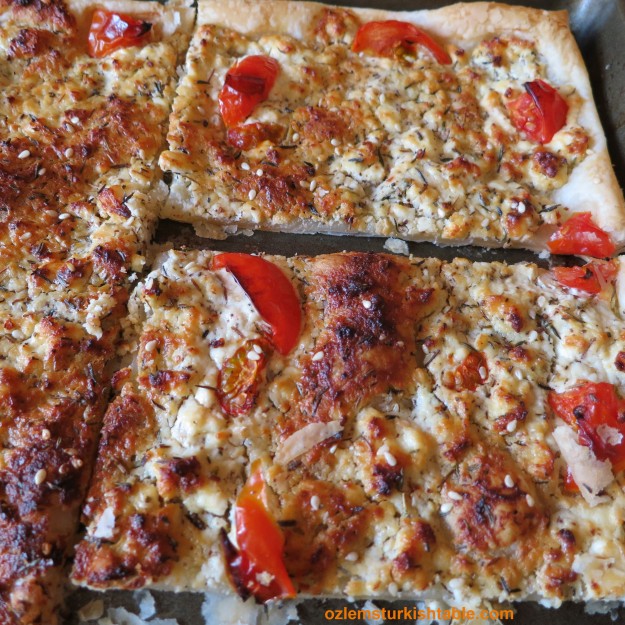
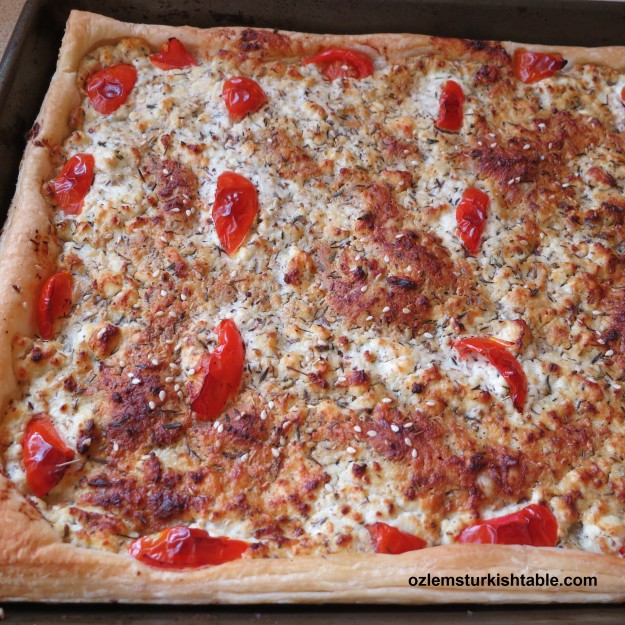
Aromatic Zahtar with feta cheese and tomatoes on puff pastry.

Aromatic Zahtar with feta cheese and tomatoes on puff pastry.

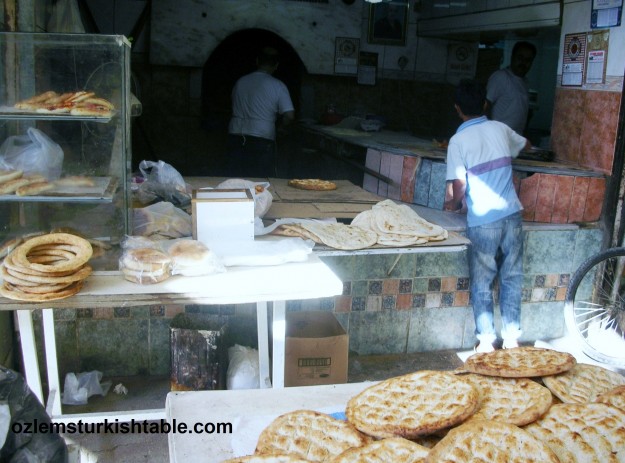
Bakery, Ekmek Firini, at Long Market, Uzun Carsi, Antakya.

Bakery, Ekmek Firini, at Long Market, Uzun Carsi, Antakya; locals take their filling to the bakery to be baked over the stretched baker’s dough.

I used my aromatic Zahtar blend at this easy, delicious puff pastry with feta cheese. This is my mother’s recipe and she used to prepare this filling with zahtar and we would take it to the local bakery in Antakya’s 2,000 years old Uzun Carsi (Long Market) to bake for us. I remember being mesmerized by the smells, happy childhood days. The nutty, tangy zahtar flavors the feta wonderfully and natural yoghurt adds a lovely, creamy texture. I also like the little touch of heat through the red pepper flakes, pul biber.

Serves 4 -6

Preparation time: 15 – 20 minutes                                               Cooking time: 30 minutes

320 gr / 11 oz. puff pastry (350mmx 230mm)

15ml/ 1 tbsp. natural thick yoghurt (whole milk is preferred)

30 ml/ 2 tbsp. zahtar blend

½ tsp. Turkish red pepper flakes (pul biber) or chili flakes

200gr / 7 oz. feta cheese, crumbled

15 ml/ 1 tbsp. olive oil

8 – 10 cherry tomatoes, coarsely sliced

Preheat the oven to 180 C/ 350 F

If using frozen puff pastry, let the pastry thaw completely, either overnight in the refrigerator or for 45 minutes at room temperature, before using it. If you are using fresh puff pastry, take out from the fridge 10 minutes before using and remove from its carton. To prevent sticking, unroll the pastry on a lightly floured surface, using a lightly floured rolling pin.

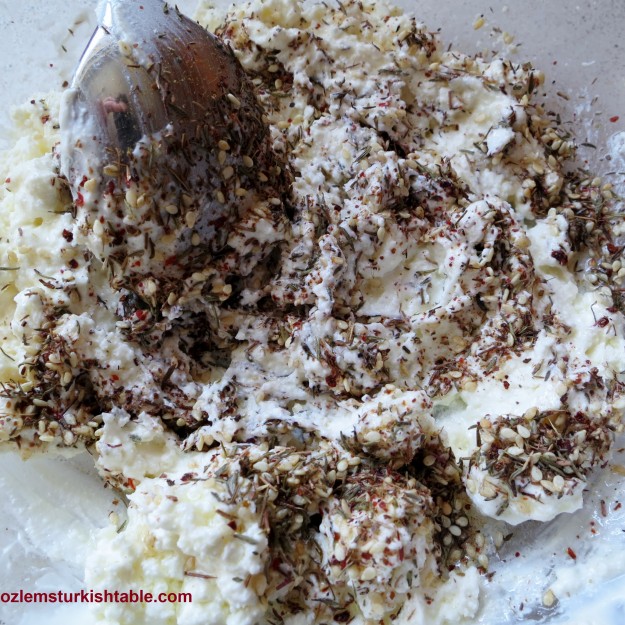
Mix zahtar with the feta cheese and yoghurt.

Mix zahtar with the feta cheese and yoghurt.

Combine the crumbled (you can mash the cheese with a fork) feta cheese, yoghurt, olive oil, zahtar and red pepper flakes in a bowl and mix well. For a richer & spicier taste, you can also add ½ tablespoon red pepper paste, biber salcasi to the mixture.

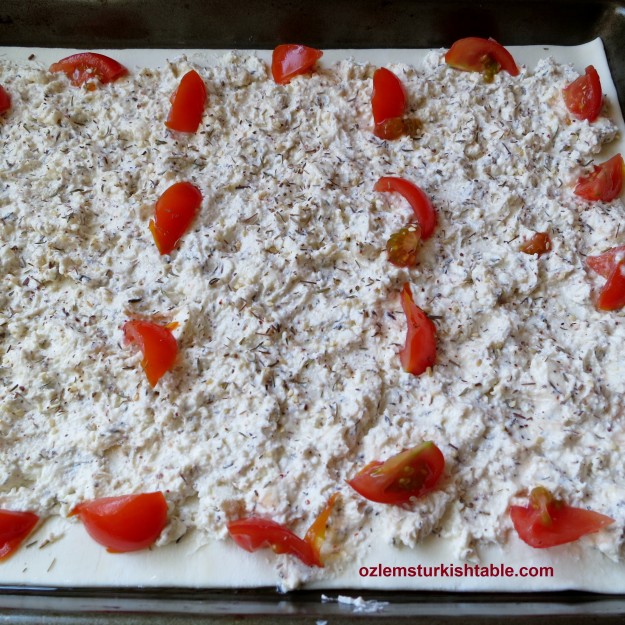
Spread the zahtar & feta filling over the puff pastry.

Spread the zahtar & feta filling over the puff pastry.

Grease a baking tray with 1 tbsp. olive oil and place the puff pastry sheet. Spread the zahtar & feta mixture evenly over the top and decorate with the sliced tomatoes. Bake in the preheated oven for about 30 minutes, or until the pastry starts to turn golden and cooked thoroughly.

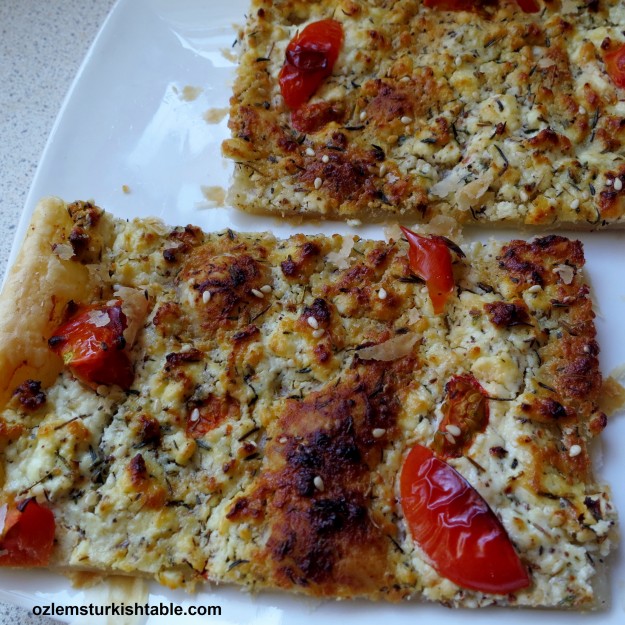
Puff pastry with zahtar and feta, ready to enjoy.

Puff pastry with zahtar and feta, ready to enjoy.

Serve the pastry warm immediately. This simple but delicious Shepherds Salad of Cucumbers, Tomatoes and peppers, Coban Salata, complements this pastry well.

Puff pastry with Zahtar, feta and tomatoes

Puff pastry with Zahtar, feta and tomatoes

Afiyet Olsun,

Ozlem

Ozlem’s Turkish Table at the Mommypage

_mp-Newsletter-Swap-Banner250x250 (2)

Mum and family friendly website Mommypage recently featured a wonderful interview with Ozlem’s Turkish Table;  check out to learn more about Turkish cuisine and how to make delicious and family friendly Turkish recipes from the Circassian Chicken with Walnuts to Tray kebab with roasted vegetables, from filo pastry rolls with feta to homemade baklava and more! There are also wonderful tips for all the family at Mommypage, worth checking out.

Continue Reading