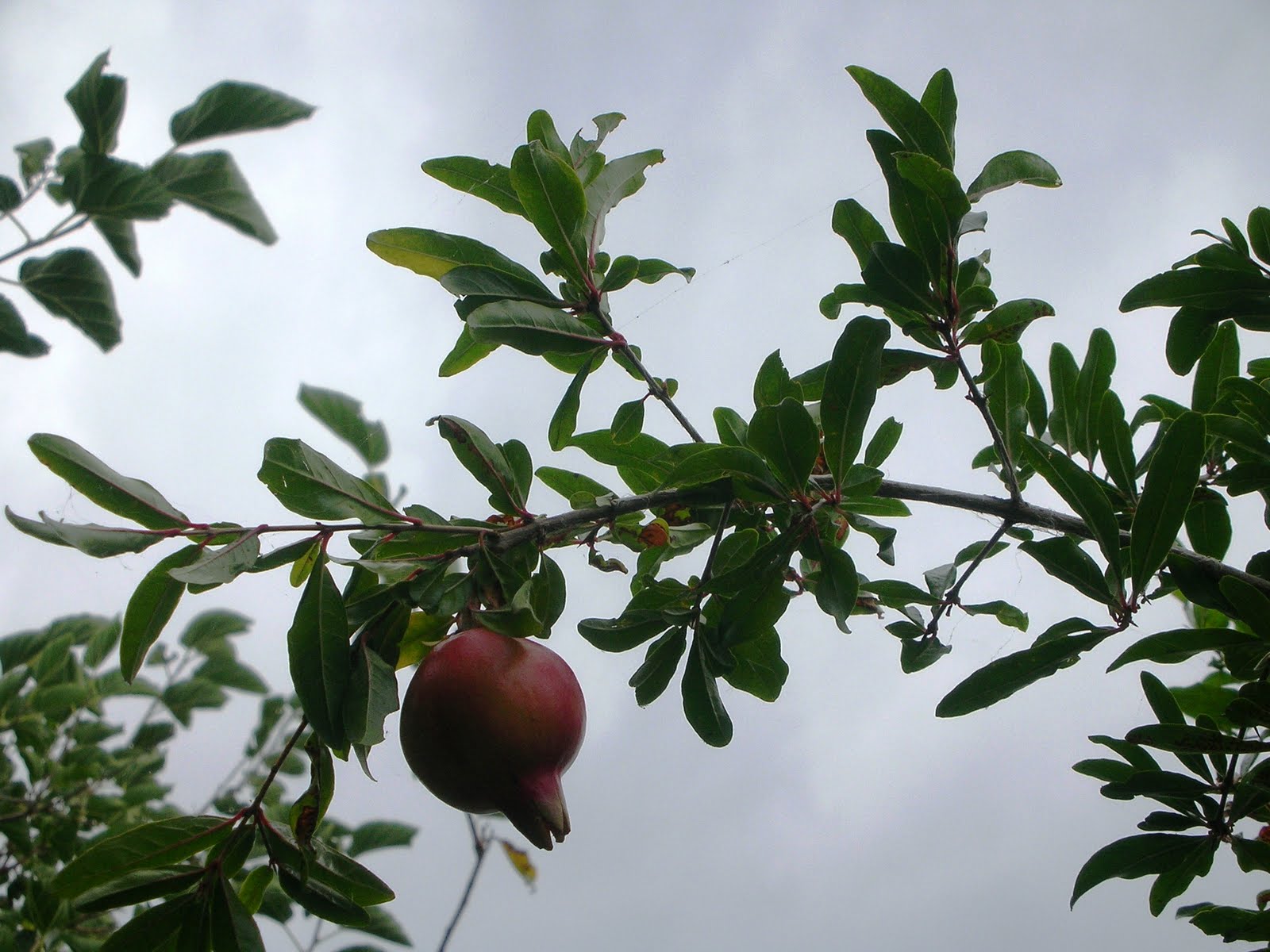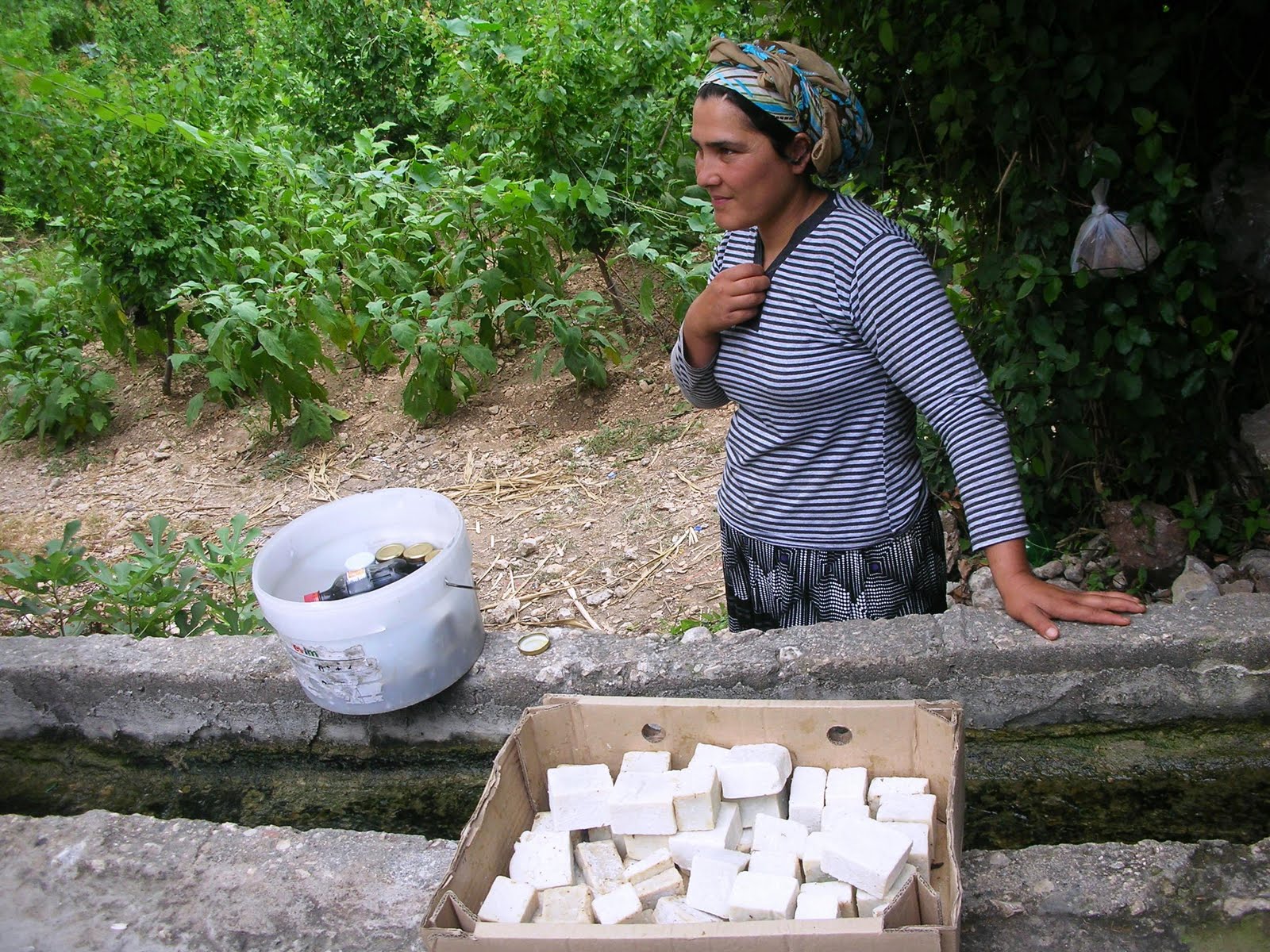

Have you ever tried the wonderful cuisine of Antioch (Antakya)? This is the region where the country’s spice food hail; tahini,cumin, red pepper flakes, sumac, mint, zahter (wild oregano), sesame seeds, nigella seeds and many more used liberally to add wonderful, rich flavors to the dishes. Another specialty is the red pepper paste (the recipe is in this blog, under appetizers); paste of spicy red pointy peppers with a little seasoning, preserved in jars to use all through the years. How about pomegranate molasses? This thick, tangy sauce is wonderful on bulgur wheat salad (kisir), fresh salads, marination and many more. This is the place where my cooking is inspired and it is wonderful to experience and share the genuine article at its source.

One of the best places to sample Antakya’s specialities is at Sultan Sofrasi restaurant at the heart of the city. The owner Metin Bey and his staff kindly hosted a informative chefs table to us, letting us taste all the specialities, incredible feast. This is “Kofteli Tuzlu Yogurt Corbasi”, a using region’s specialty thick salty yoghurt with rice, dried mint, red pepper flakes and bulgur patties. I made a similar version of this soup using natural plain thick yoghurt, available in this blog, under Soups. With a few sprinkles of red pepper flakes over the top, this is a very delicious and healthy soup.
Here comes Antioch’s specialty pastries; Kaytaz Boregi ( savory patties topped with ground meat, onions and a little red pepper paste), Ispanakli borek (hand rolled pastries stuffed with spinach and region’s crumbled white cheese called cokelek). And how can one forget the delicate, wonderful taste of Oruk? (the oval shaped bulgur patties filled with ground meat, walnuts and onions, and baked in the oven). It is crusty outside and moist inside, a real taste sensation. By the side is the wild zahter salad with pomegranate sauce; tangy, refreshing flavor, just wonderful.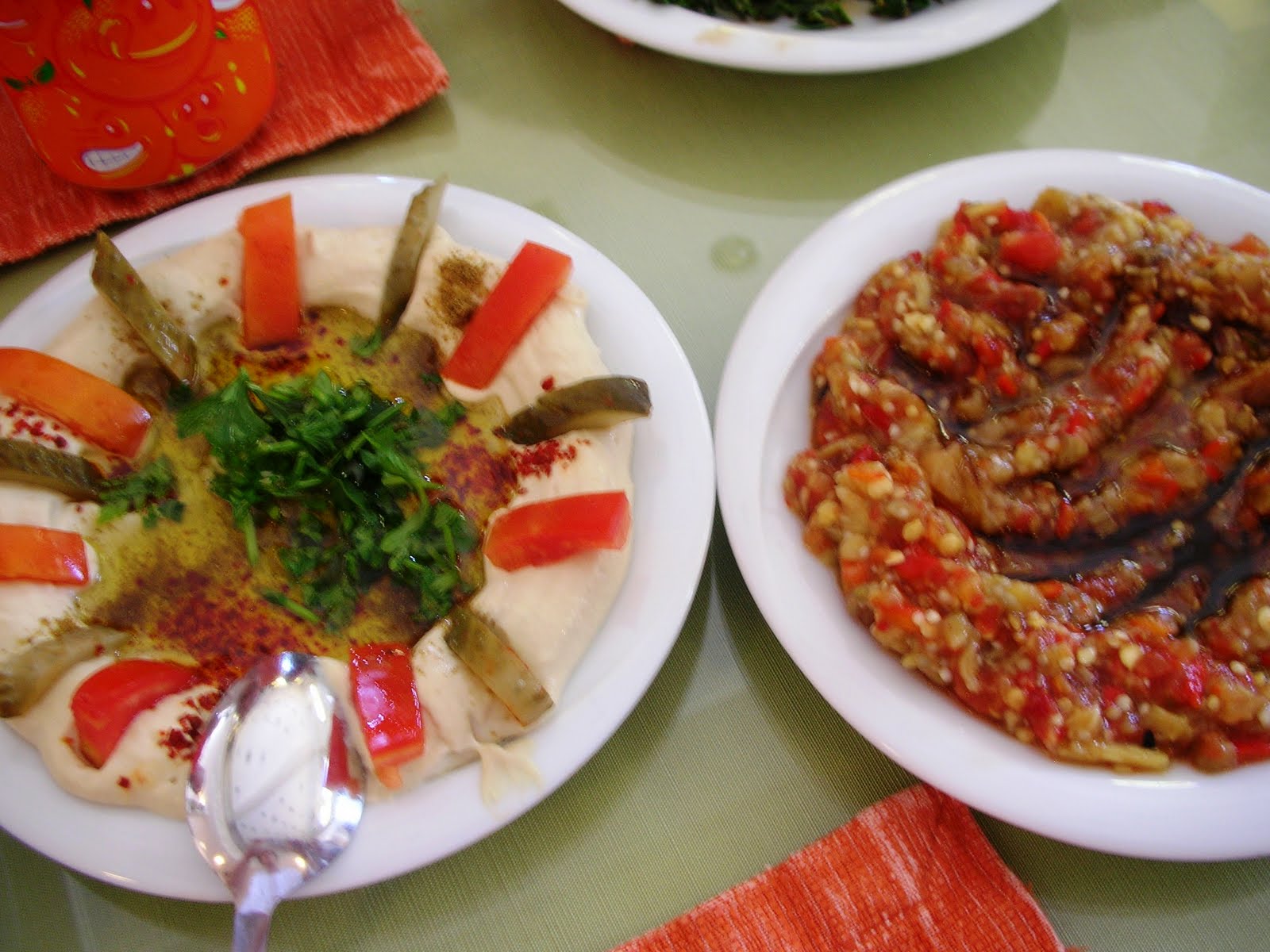
The mezes keep on coming and we think we are in heaven; this is smoked eggplant salad with pomegranate molasses, olive oil and tomatoes; the sweetness of tomato work so well with the smoky, meaty flavor of eggplants and sweet and tangy pomegranate sauce complement the meze so well. And hummus Antakya style; this version has more tahini than usual, and lots of cumin and red pepper flakes over it, as well as pickled cucumbers and peppers – I am already full with all these but can’t stop eating, too good to let go!:)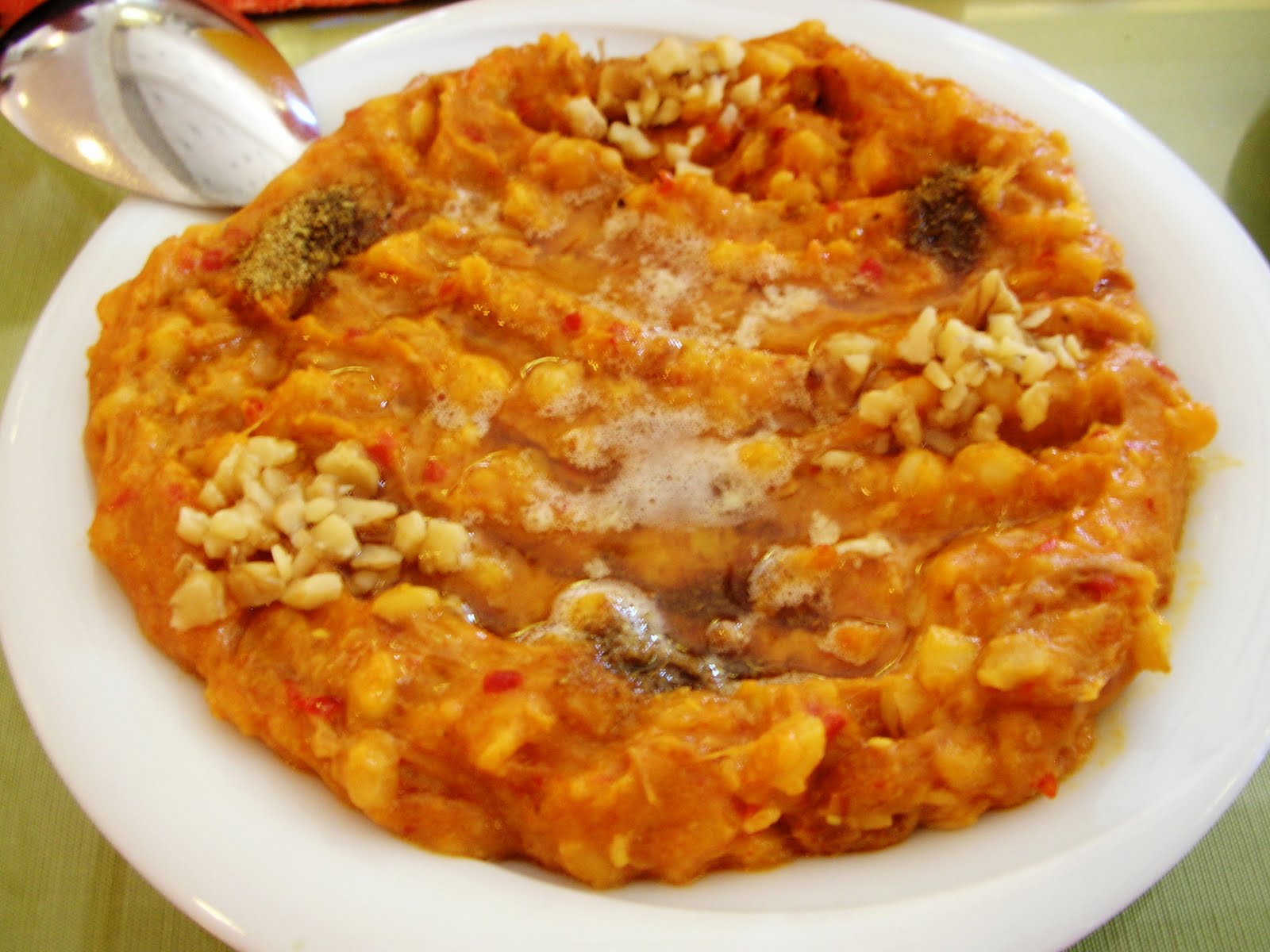
And here comes a real specialty of Antioch (Antakya); Assur (or Etli Asure). This traditional course, is also a very festive meal, that we enjoy during religious festivities. We are in Ramadan at the moment, and I am sure more Assur will be consumed at the end. In this special dish, tender meats of beef and lamb is slowly cooked with red pepper paste, bulgur wheat, chickpeas, lots of onion, cumin, red pepper flakes, ground black pepper and a little stock. Then over slow cooking and continious stirring (and moreover beating while stirring with great wooden spoons) the dish comes to a point that it is elastic and almost melt in the mouth, so good. The stirring and beating part over low heat is crucial, and I remember me and my cousins all taking turns to beat the asure during prepping when I was a child – happy days:)It is dressed with olive oil, coarsely chopped walnuts, cumin and red pepper flakes and sometimes with small raisins, like my mother does.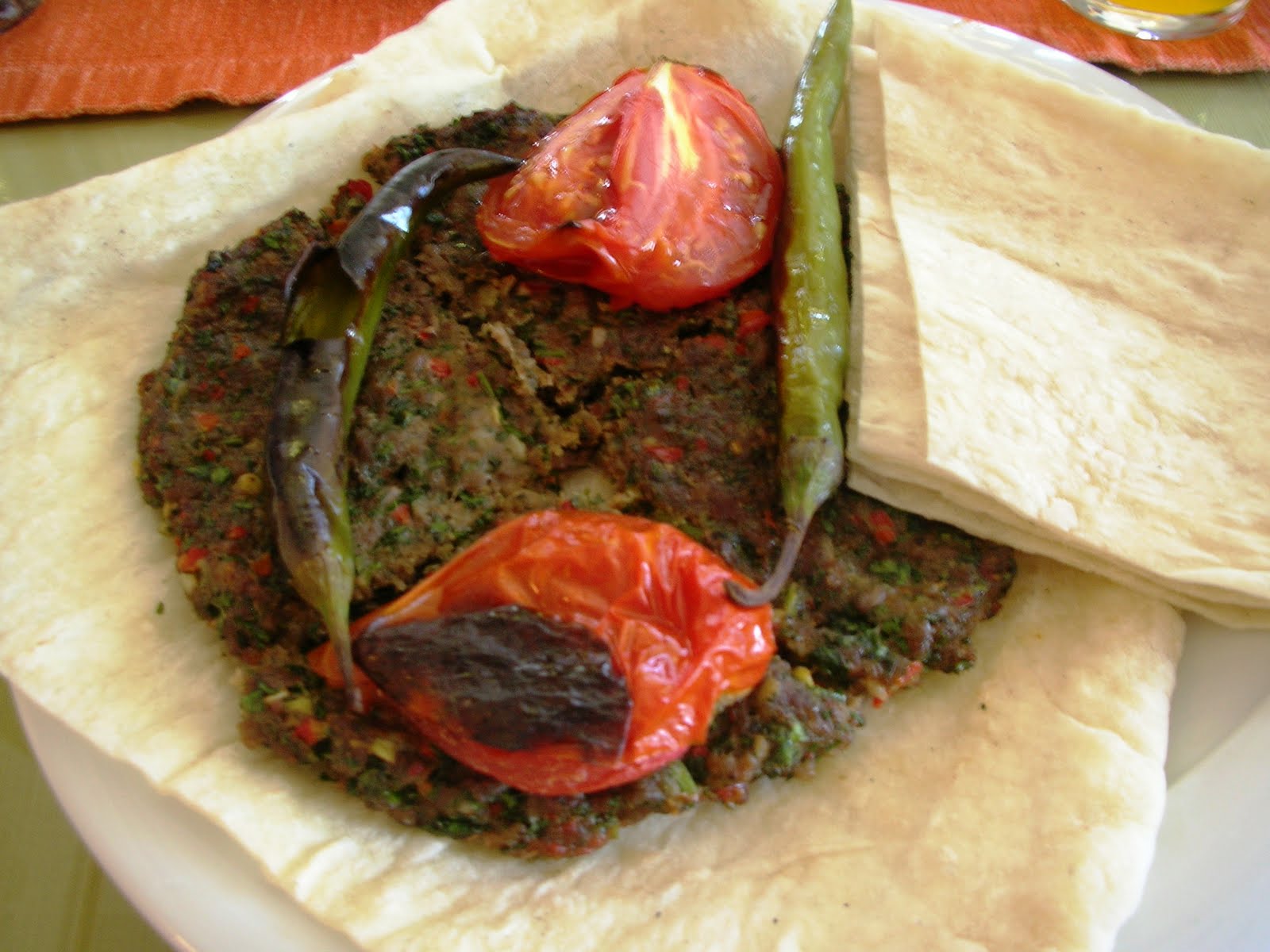
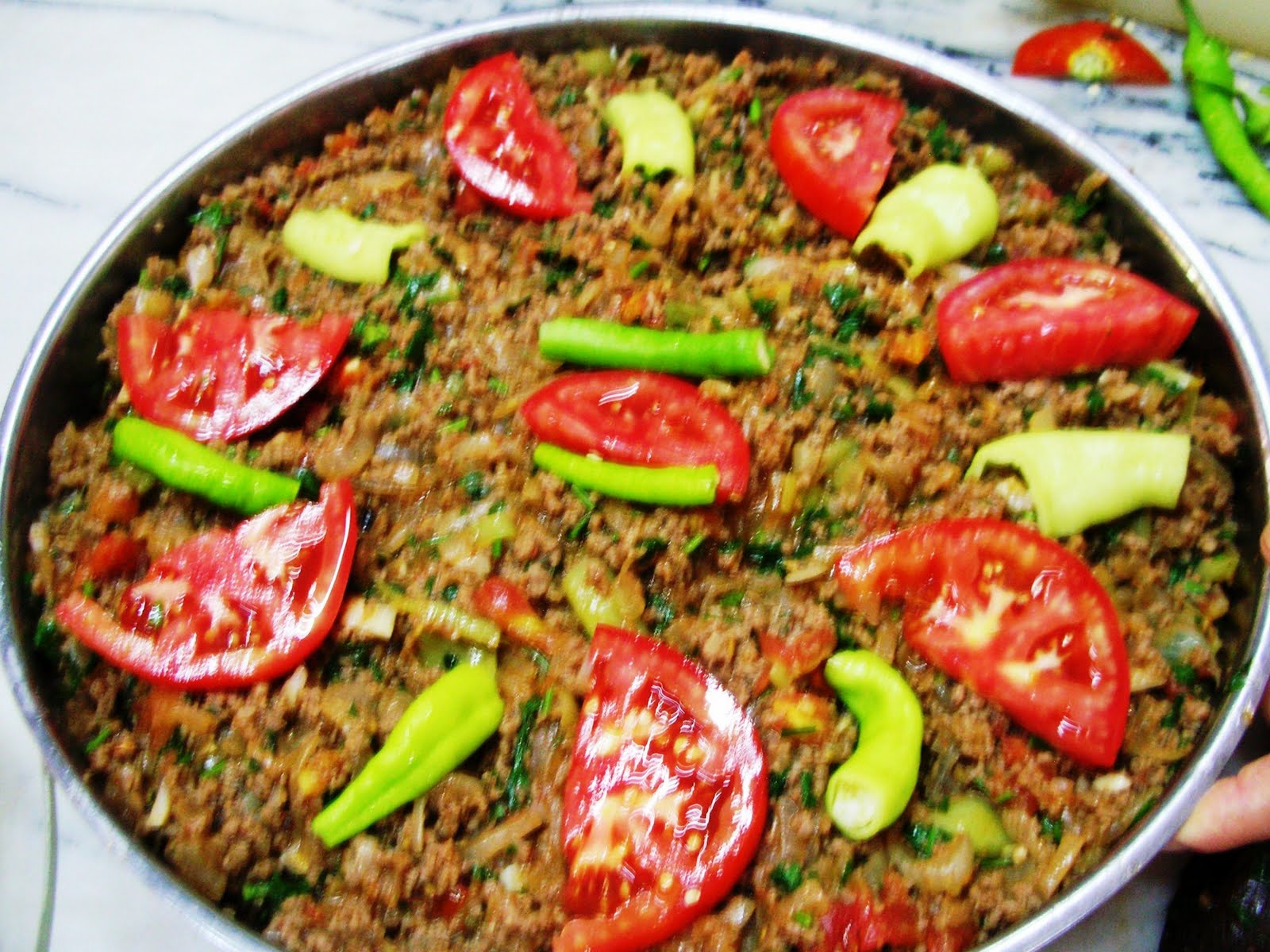
How about Antakya’s most famous “Kagit Kebabi”? This is a special kebap baked on a special paper in the bakeries. It has a combination of ground lamb and beef, lots of sruched garlic, cumin, ground black pepper, red pepper flakes and finely chopped flat parsley. Locals would prepare this meat mixture and take it to their local bakery to be baked. And my favorite part was picking up the delicious kebab from the bakery with freshly baked thin pita breads from our local bakery, as we children used to have extra treats of pita from the bakery to keep us going until the kebap is served!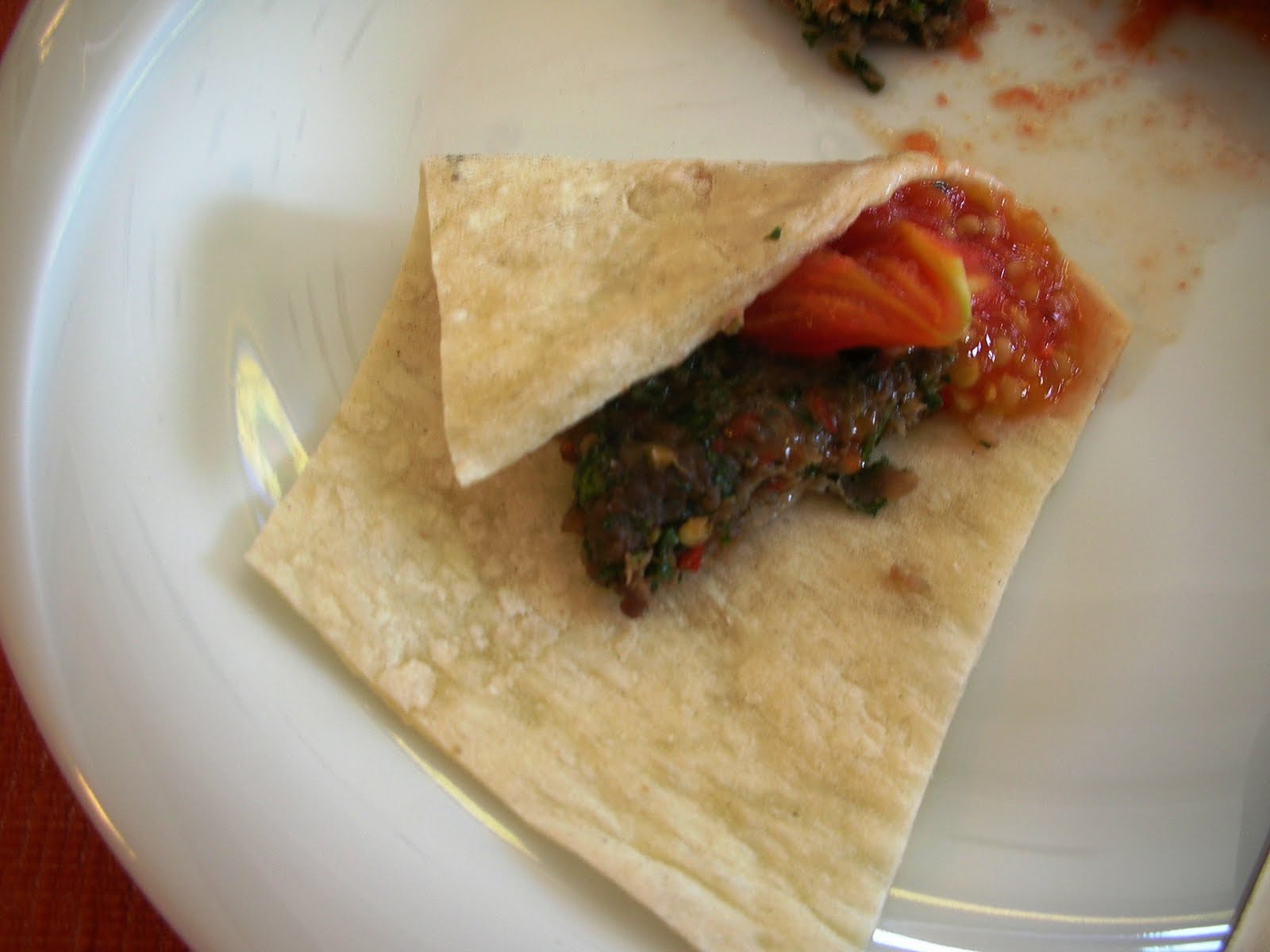
And here how we wrap a piece of kebab on the pita bread with some roasted pointy peppers or tomatoes by the side; just heavenly.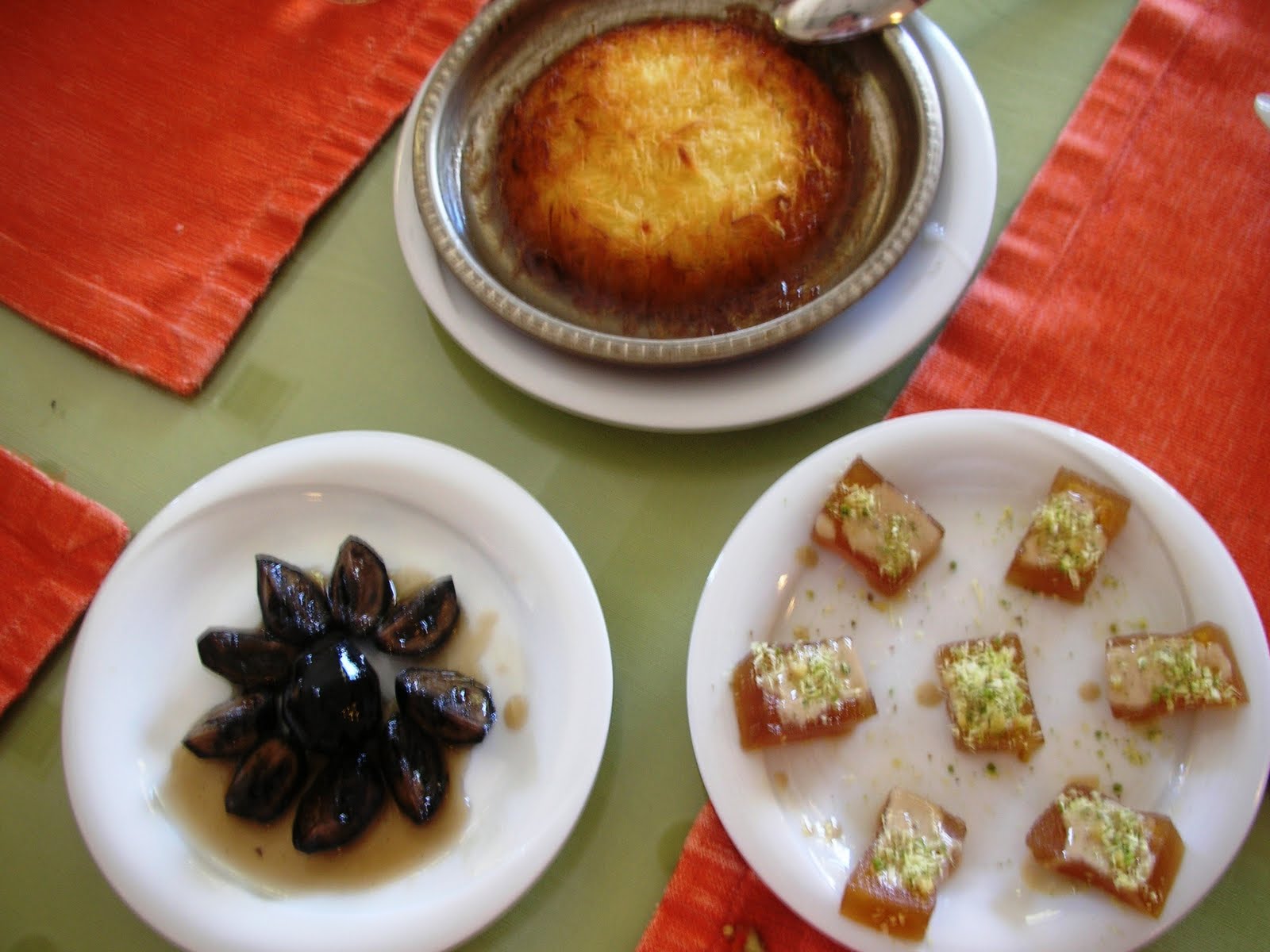
It is not over yet! The owner of Sultan Sofrasi, Metin Bey is determined that we taste all the Antioch delicasies and how can we forget region’s famous dessert, Kunefe, along with young walnut and pumpkin dessert? The Kunefe in this region is the real thing, the vermicelli like fresh pastry strands are freshly made at the Long Market of Antioch (more on that later) and the soft (similar to mozzarella) cheese used in between the layers of kunefe is to die for. 
The syrup is much lighter than any other place I tasted Kunefe (known af Kadayifi abroad); and the generous filling of cheese oozes out and melt in the mouth with the syrup. Just for that experience, it is worth coming to Antakya!
The young walnut dessert was really interesting and exciting. Metin Bey explains that they use very young walnuts, when they are green. They shell the walnuts, and soak the walnuts in water for 40 days (with change of water everyday) to get rid of the bitter juice. Then they would cook the walnuts in a light syrup, consisting of equal measures of water and sugar, with a little lemon juice, until they are tender. Metin Bey adds a few cloves towards the end of cooking and that goes so well with the walnuts. Once cool, they would serve with a little syrup by the side. So unusual and tasty.
I hope you enjoyed the wonderful delicasies of my hometown, Antioch. How wonderful to have a chance to sample all these, along with the city’s amazing ancient history. Antioch sure deserves a visit (or two, or more!) and I do hope you make it here someday.
Afiyet Olsun!