

Cookery Classes

I teach Turkish cooking classes in England,Turkey & USA, hope you can join us!,
Find Out More

Recipes    

Turkish cuisine provides healthy, hearty, delicious food for family and friends.
Find out more

Tag Archives | Ozlem’s Turkish Table

Fırında Patates Paçası; Turkish Garlicky Mashed Potatoes

As the winter is in the air, we are turning towards easy, delicious comfort food.

This Patates paçası, Turkish style garlicky mashed potatoes, from my new book, SEBZE, Vegetarian recipes from my Turkish kitchen,  is a popular specialty from the province of Kastamonu in the Black Sea region. It is a significant dish, too, as the EU granted PGI (protected geographical indication) status to the region’s highly nutritious taşköprü garlic, known as ‘the white gold’, which is used in this recipe by locals. These mashed potatoes are traditionally cooked on the stove top with butter, yoghurt, eggs and garlic, and I love the lightness the yoghurt brings. I finish my version in the oven with grated cheese over (kaşar, a medium-hard pale yellow cheese mostly made from sheeps’ milk is the traditional choice, although you can use any melting cheese you have to hand). It is easy, humble, delicious and a pure comfort food with a touch of spice from the pul biber butter.
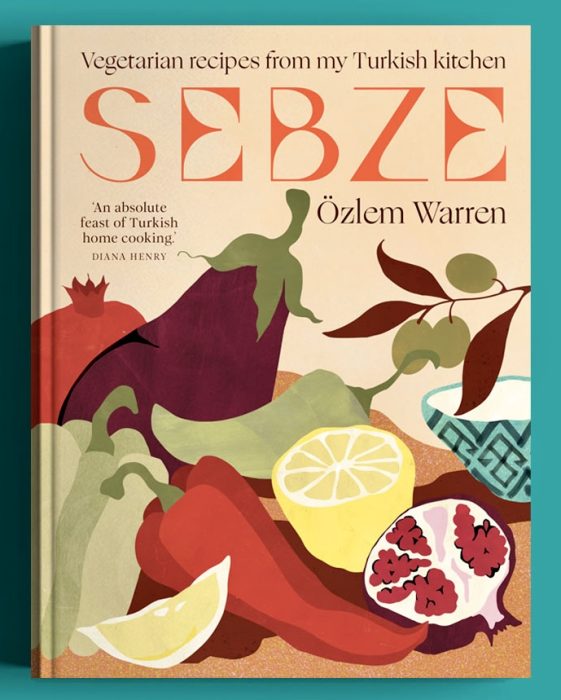
SEBZE, Vegetarian Recipes From My Turkish Kitchen

SEBZE, Vegetarian Recipes From My Turkish Kitchen

Here is my recipe from SEBZE; I hope you enjoy making at home. SEBZE has 85 delicious, easy, wholesome vegetarian Turkish recipes, that offers delightful options for all seasons, along with stunning photography. It can make a lovely gift to yourself or a foodie; you can get a copy of SEBZE here, worldwide.
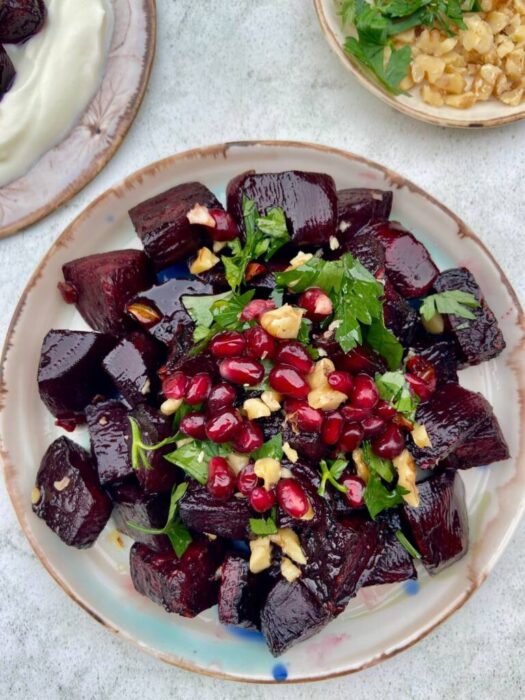
This lovely garlicky mashed potatoes complements any grills, and goes well with this Baked beets with walnuts and pomegranate molasses, from SEBZE.

Afiyet Olsun,

Ozlem

Fırında Patates Paçası; Turkish Garlicky Mashed Potatoes
 
Patates paçası is a popular specialty from the province of Kastamonu in the Black Sea region. It is a significant dish, too, as the EU granted PGI (protected geographical indication) status to the region’s highly nutritious taşköprü garlic, known as ‘the white gold’, which is used in this recipe by locals. These mashed potatoes are traditionally cooked on the stovetop with butter, yoghurt, eggs and garlic, and I love the lightness the yoghurt brings. I finish my version in the oven with grated cheese over (kaşar, a medium-hard pale yellow cheese mostly made from sheeps’ milk is the traditional choice, although you can use any melting cheese you have to hand). It is easy, humble, delicious and a pure comfort food with a touch of spice from the pul biber butter.
Author:
Recipe type: Vegetarian
Cuisine: Turkish cuisine
Serves: 6-8
Ingredients
  • 1 kg (2 lb 4 oz) white potatoes, peeled and cut into 2.5 cm (1 in) chunks
  • 2 medium eggs, beaten
  • 230 g (8 oz/scant 1 cup) whole milk yoghurt
  • 4 large garlic cloves, crushed with sea salt and finely chopped
  • 85 g (3 oz) salted butter, cubed, plus 1 tablespoon, melted
  • 125 g (4 oz) medium Cheddar, grated
  • sea salt and freshly ground black pepper, to taste
  • For the pul biber butter
  • 2 tablespoons salted butter
  • 1 teaspoon pul biber (use a little more if you like heat!)
Instructions
  1. Place the potatoes in a large pan with a pinch of salt and cover with plenty of hot water. Bring to the boil, partially cover and cook over a medium-low heat for about 20 minutes, or until the potatoes are fully cooked. Drain and transfer to a large mixing bowl. Leave to cool for 5 minutes, then mash the potatoes with a pinch of salt and freshly ground black pepper.
  2. Preheat the oven to 180°C fan/200°C/400°F/gas 6.
  3. Combine the eggs, yoghurt and garlic in a small bowl, mixing until well combined.
  4. Melt the 85 g (3 oz) cubed butter in a large, wide pan over a medium heat, add the mashed potatoes and combine for 2 minutes. Pour the yoghurt mixture over the mashed potatoes and season with salt and pepper. Cook, stirring, for 6–7 minutes until well blended and smooth (you want a hummus-like consistency).
  5. Grease a 20 cm (8 in) square baking dish with the extra tablespoon of melted butter and spoon the mashed potato mixture evenly into the dish. Sprinkle the grated cheese over the top in an even layer and gently press. Bake for 25 minutes until the cheese is melted and the top is golden, then remove from the oven.
  6. For the pul biber butter, melt the butter in a small pan and stir in the pul biber. Combine for 35–40 seconds over a low heat to infuse.
  7. Gently prick the top of the mashed potatoes and pour the pul biber butter over. Serve immediately while hot.
 

Continue Reading

Balkabaklı Kestaneli Çorba; Pumpkin and Chestnut Soup

It is the soup season, as we are fully in the autumn / fall. It is also the pumpkin season; this Balkabaklı Kestaneli Çorba, Pumpkin and Chestnut Soup, from my new book, SEBZE, Vegetarian recipes from my Turkish Kitchen, is a delicious and easy celebration of autumnal flavours.

Pumpkin (balkabağı) is enjoyed in savoury and sweet dishes in Türkiye. While it can be combined with yoghurt or with pomegranate molasses in the south for savoury meals (for example, Adesiye, at page 143, in SEBZE cookery book), it is cooked with chestnuts in the north. The city of Zonguldak in the Black Sea region grows some of the finest chestnuts and this soup is a Zonguldak specialty. The sweetness of the pumpkin and onions works beautifully with the earthy chestnuts. Locals would also add the region’s creamy manda sütü, water buffalo’s milk, to the soup – full-fat milk works well as a substitute although you can use single (light) cream for a creamier taste. You can use butternut squash instead of pumpkin, too.

Serve this delicious soup with Corn Bread,  Mısır Ekmeği (page 50 in SEBZE). It is the gift giving season upon us; copies of SEBZE is available worldwide at this link and it can make a lovely foodie present.

I hope you enjoy this delicious soup, Afiyet Olsun,

Ozlem

Balkabaklı Kestaneli Çorba; Pumpkin and Chestnut Soup
 
Pumpkin (balkabağı) is enjoyed in savoury and sweet dishes in Türkiye. While it can be combined with yoghurt or with pomegranate molasses in the south for savoury meals (for example, Adesiye, at page 143, in SEBZE cookery book), it is cooked with chestnuts in the north. The city of Zonguldak in the Black Sea region grows some of the finest chestnuts and this soup is a Zonguldak specialty. The sweetness of the pumpkin and onions works beautifully with the earthy chestnuts. Locals would also add the region’s creamy manda sütü, water buffalo’s milk, to the soup – full-fat milk works well as a substitute although you can use single (light) cream for a creamier taste. You can use butternut squash instead of pumpkin, too.
Author:
Recipe type: Vegetarian Soup
Cuisine: Turkish Cuisine
Serves: 4
Ingredients
  • 2 tablespoons olive oil or sunflower oil
  • 2 medium onions, finely chopped
  • 825 g (1 lb 13 oz) deseeded and peeled pumpkin, sliced into 1 cm (½ in) chunks
  • 255 g (9 oz) peeled, cooked chestnuts, quartered
  • 510 ml (18 fl oz/generous 2 cups) vegetable stock
  • 510 ml (18 fl oz/generous 2 cups) water
  • 140 ml (5 fl oz/scant ⅔ cup) full-fat milk (or a plant-based alternative)
  • sea salt and freshly ground black pepper, to taste
  • handful of fresh parsley, chopped, to serve
  • For the sautéed chestnuts
  • 80 g (3 oz) peeled, cooked chestnuts, diced into small bites
  • 2 tablespoons olive oil or sunflower oil
Instructions
  1. Heat the oil in a large, heavy saucepan over a medium heat, add the onions and sauté for 10 minutes until softened. Stir in the pumpkin pieces and sauté for another 2 minutes. Add the chestnuts, pour in the vegetable stock and water, then season with salt and pepper, and combine well. Bring to the boil, then simmer for 12–15 minutes until the pumpkin is cooked.
  2. Purée the soup in a blender and pour back into the pan, add the milk and bring back to the boil, then simmer for 5 minutes. Seasoning is important – check and add more salt and pepper to your taste.
  3. For the sautéed chestnuts, heat the oil in a small sauté pan over a medium heat, add the chestnuts and sauté for 3 minutes. Season with salt and pepper.
  4. Serve the soup warm with the sautéed chestnuts and chopped parsley sprinkled over.
  5. Serving suggestion: Serve with Mısır Ekmeği (page 50 in SEBZE cookery book) to complement this delicious soup.
 

Continue Reading

Chard Cooked in Olive Oil with Veg and Rice; Zeytinyağlı Pazı

Merhaba dear All,

I wanted to share one of my favourite recipes from my new book, SEBZE, Vegetarian recipes from my Turkish kitchen.  This Chard Cooked in Olive Oil with Onion, Peppers and RiceZeytinyağlı Pazı, is a lovely and easy dish to enjoy pazı (chard), grown mostly in the northwest, Black Sea, Marmara, Aegean and the Mediterranean regions. Its gently tart flavour is delicious here. These large leaves are also used for making pazı sarması, rolled chard leaves with aromatic rice and sometimes with fresh Turkish curd cheese (lor peyniri). My family also loves this dish hot on cold days, with a dollop of yoghurt and a drizzle of extra-virgin olive oil over.

Prepare ahead and variations: This dish is great to prepare ahead – in fact, leftovers taste even better the next day as the flavours develop, a characteristic of zeytinyağlı dishes. You can use spinach or large leafy collard greens instead of chard. You can also use bulgur (not gluten-free) or quinoa (gluten-free) instead of rice.

Serving suggestions: Serve crusty bread or my gluten-free Corn Bread from SEBZE cookery book on the side to mop up the delicious juices, if you like. You can order a copy of SEBZE worldwide here.

Afiyet olsun and my sincere thanks for your support,

Ozlem xx

Chard Cooked in Olive Oil with Veg and Rice; Zeytinyağlı Pazı
 
This is a lovely and easy dish to enjoy pazı (chard), grown mostly in the northwest, Black Sea, Marmara, Aegean and the Mediterranean regions. Its gently tart flavour is delicious here. These large leaves are also used for making pazı sarması, rolled chard leaves with aromatic rice and sometimes with fresh Turkish curd cheese (lor peyniri). My family also loves this dish hot on cold days, with a dollop of yoghurt and a drizzle of extra-virgin olive oil over. Prepare ahead and variations: This dish is great to prepare ahead – in fact, leftovers taste even better the next day as the flavours develop, a characteristic of zeytinyağlı dishes. You can use spinach or large leafy collard greens instead of chard. You can also use bulgur (not gluten-free) or quinoa (gluten-free) instead of rice. Serving suggestions: Serve crusty bread or my gluten-free Corn Bread from SEBZE cookery book on the side to mop up the delicious juices, if you like.
Author:
Recipe type: Vegetarian recipes
Cuisine: Turkish cuisine
Serves: 4
Ingredients
  • 2 tablespoons olive oil
  • 1 medium red or yellow onion, finely chopped
  • 1 red chilli, deseeded and finely chopped (use more if you like it spicy)
  • 4 garlic cloves, finely chopped
  • 1 tablespoon double concentrated tomato paste
  • 230 g (8 oz) tin chopped tomatoes
  • 450g (1 lb) chard, cleaned, halved lengthways and roughly chopped into 1 cm (½ in) pieces
  • 85 g (3 oz/scant ½ cup) long-grain rice, rinsed
  • 460 ml (16 fl oz/scant 2 cups) hot water
  • sea salt and freshly ground black pepper, to taste
  • To serve (optional)
  • plain yoghurt (or plant-based alternative)
  • drizzle of extra-virgin olive oil
Instructions
  1. Heat the olive oil in a large, wide saucepan over a medium–high heat, add the onion and sauté for 3–4 minutes until starting to soften. Add the chilli, garlic, tomato paste and chopped tomatoes to the pan (save the tin for later), combine well and cook for 2 minutes. Stir in the chopped chard and gently combine and wilt over a medium heat for 2–3 minutes. Add the rinsed rice and combine well.
  2. Rinse the chopped tomato tin with some of the hot water and pour all the liquid into the pan, season with salt and pepper, give it a good stir, then cover and cook for 20–25 minutes over a low–medium heat until the rice and vegetables are cooked. Turn the heat off and leave to rest for 10 minutes, covered.
  3. When the weather is warm, we traditionally eat this dish cold or at room temperature. On cold days, we enjoy it hot with a dollop of yoghurt and a drizzle of extra-virgin olive oil over.
 

Continue Reading